The Green Table of Qaleh Bala: Local Produce and the Taste of a Living Village
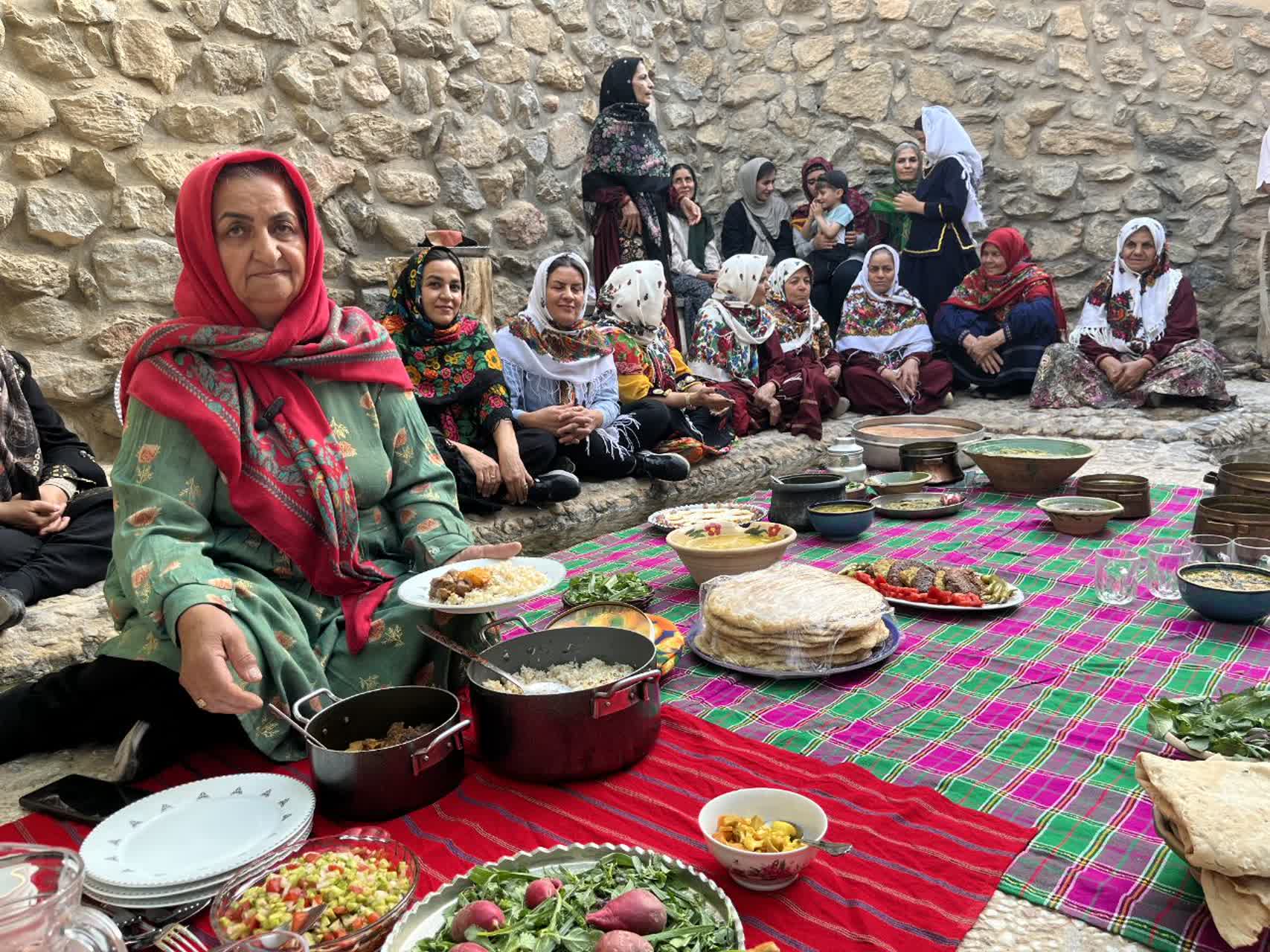
A significant share of the food served in Qaleh Bala’s guesthouses and local homes is grown and produced right here in the village—in its orchards and fields—and then reaches the guests’ tables with minimal distance and virtually no intermediaries.
Fatemeh Gholipour, an ethnographic researcher, writes:
Qaleh Bala, in Semnan Province’s Shahrud County, is one of the few destinations where food remains an integral part of the community’s living and cultural identity, rather than simply a hospitality service offered to tourists.
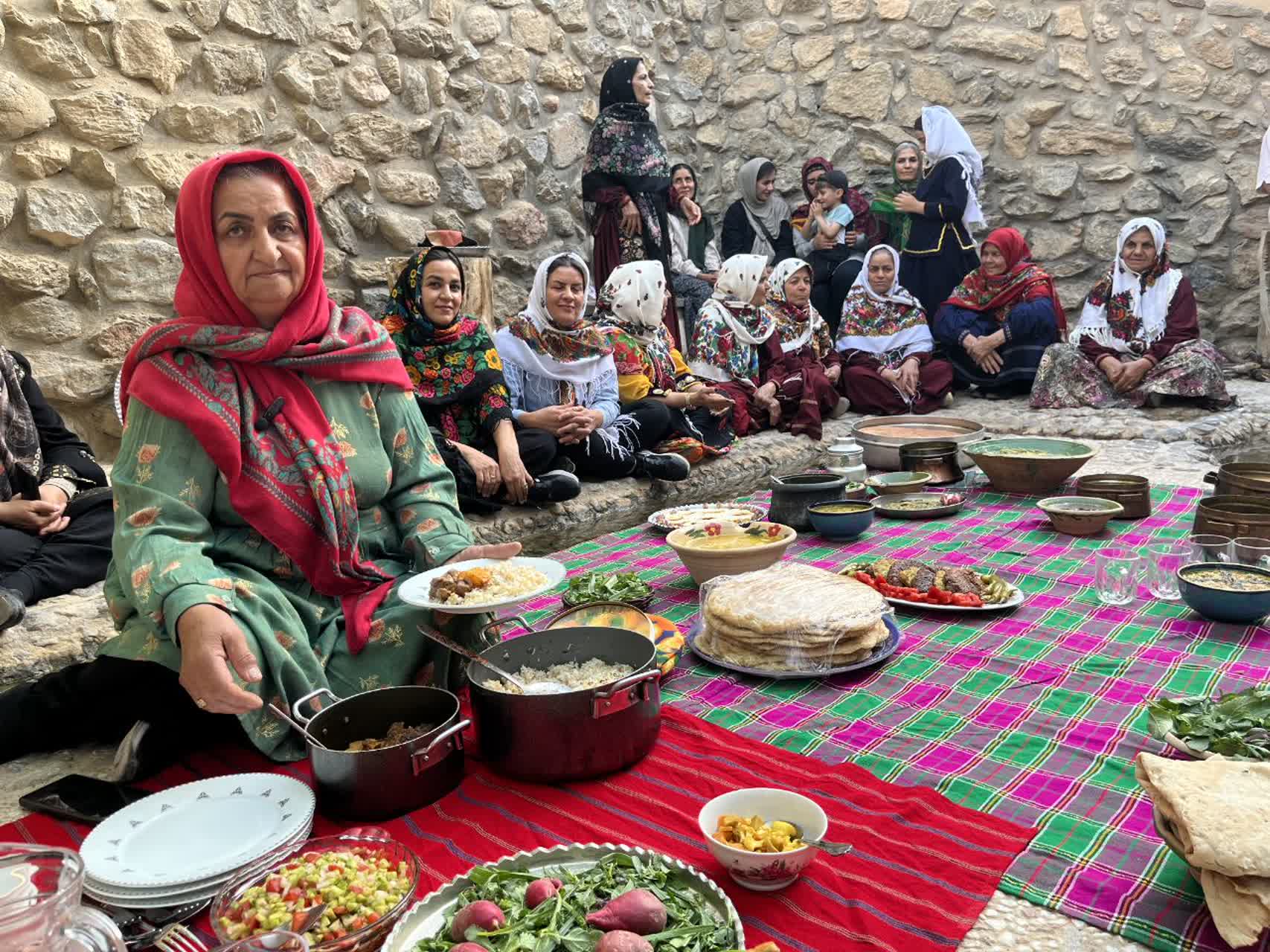
Here, the concept of a “green, zero-kilometer table” has a tangible and authentic meaning. A significant proportion of the ingredients used in guesthouses and local homes are grown and produced within the village itself, in its fields and orchards, before reaching visitors’ tables through the shortest possible supply chain.
In many tourism destinations, “local food” is simply an attractive label on a menu, while its ingredients are sourced from distant markets and have little genuine connection to the destination’s geography and culture.
In Qaleh Bala, however, this connection remains alive.
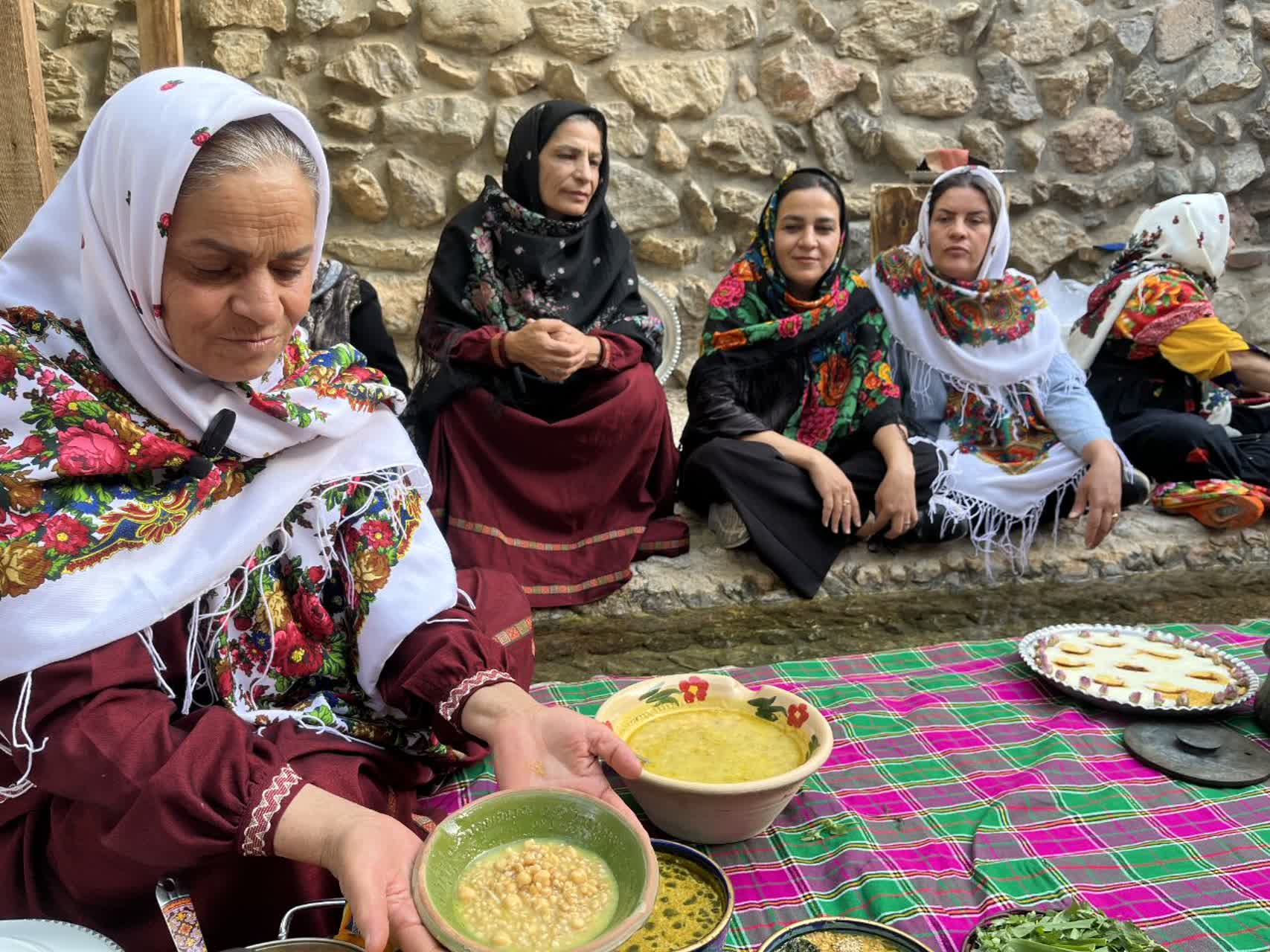
What appears on the guests’ table is a product of the land, the seasons, the work of local people, and generations of traditional knowledge—from wheat and barley to garlic and shallots; and from fruits such as apricots, figs, and grapes to local bread, dairy products, cheese, and butter. Each contributes to the distinctive flavors and collective memory of the village.
In this model, the menus offered by guesthouse owners are shaped not primarily by large commercial markets, but by the village’s own agricultural capacity.
This means that dishes follow the seasons and are prepared with fresh, locally grown ingredients, allowing their authentic character to remain intact. Such an approach does more than improve the quality and flavor of food; it represents a form of respect for the natural cycle of production and consumption—a cycle in which food emerges from the soil of the village and is consumed within the same landscape.
Organic by Way of Life
Another important characteristic of this table is its organic nature—not merely as a marketing or commercial label.
In Qaleh Bala, being organic is less a brand than a way of life.
Local-scale production, direct oversight of product quality by residents, and the close relationship between producers and consumers all contribute to food that is natural, wholesome, and deeply rooted in the local way of life.
This is what transforms eating in Qaleh Bala from an ordinary meal into a cultural and lived experience.
Visitors are not simply consuming food; they are experiencing a landscape, a season, and a tradition through taste.
A Zero-Kilometer Table That Strengthens the Local Economy
The zero-kilometer nature of Qaleh Bala’s food system is also economically significant.
When ingredients are sourced directly from local farms, orchards, and household producers, tourism revenue circulates within the village. Rather than flowing out of the region, it helps strengthen local livelihoods.
Farmers, orchardists, rural women, dairy producers, and guesthouse owners all become participants in the same local value chain.
This represents a clear example of sustainable tourism—a model in which tourism strengthens rather than weakens the foundations of the local community.
A Taste of Sustainability
From an environmental perspective, Qaleh Bala’s green table is equally noteworthy.
Reducing the distance between production and consumption means less transportation, lower fuel consumption, less reliance on packaging, and ultimately reduced environmental pressure.
At a time when sustainability has become a defining concern around the world, Qaleh Bala offers visitors a tangible example of responsible living in harmony with nature—without relying on slogans or artificial branding.
More Than Food: The Taste of Place
Yet beyond all these economic and environmental benefits, what truly distinguishes the “Green, Zero-Kilometer Table” of Qaleh Bala is its authenticity.
A traveler visiting the village does not simply eat fresh and healthy food; they taste the village itself.
The aroma of freshly baked local bread, the flavor of fruit picked from a nearby orchard, the simplicity and purity of local dairy products, and a meal prepared from ingredients grown in the very soil beneath their feet create an experience that stays with them long after the journey ends.
Qaleh Bala can today be presented as a compelling example of the relationship between tourism, traditional agriculture, and local identity.
Here, the table is more than a place to eat. It tells the story of a way of life, a rural economy, and a deep relationship between people and the land.
The “Green, Zero-Kilometer Table” is therefore more than a slogan. It is an accurate description of a living reality:
In Qaleh Bala, food finds its meaning where it is grown, prepared, shared, and experienced.