Rethinking Tourism in Semnan Province: From a Transit Stop to a Global Destination
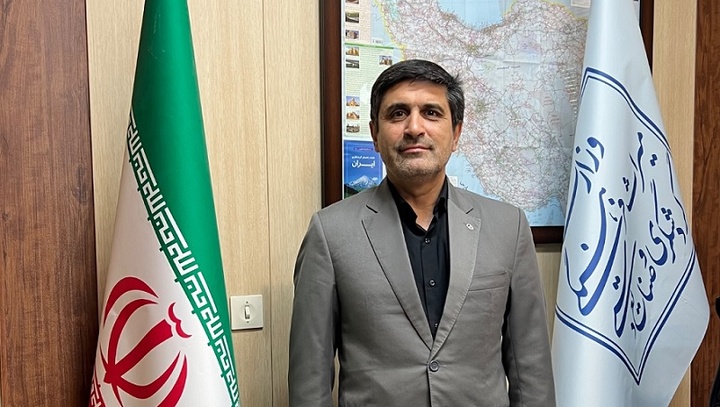
The Director General of Cultural Heritage, Tourism and Handicrafts of Semnan Province has emphasized the need for a shift in how the province’s historical and cultural assets are developed and promoted. He noted that, drawing on its remarkable climatic diversity and internationally recognized heritage sites, Semnan has significant potential to transform from a transit province into a lasting destination for domestic and international travelers.
Speaking on Tuesday, July 21, 2026, about the province’s tourism development vision, Jalal Tajik said that referring to tourism as an “industry” is more than a matter of terminology. The designation is based on government decisions and is intended to facilitate access to infrastructure support and financial incentives. He noted that although Iran ranks among the world’s top ten countries in terms of the richness of its historical and civilizational heritage, the country’s tourism sector—particularly since 2018—has experienced fluctuations amid economic pressures and regional tensions.
Tajik also highlighted Iran’s extensive handicrafts sector, noting that the country has 299 active handicraft disciplines and ranks third globally in terms of the diversity of its handicrafts. However, he said, performance in commercialization and international marketing has not matched this position. Simply increasing production, without developing international markets, will not be enough to drive the sector forward.
Turning to Semnan Province’s distinctive potential, Tajik noted that the province covers an area of approximately 97,000 square kilometers and is home to the largest number of UNESCO World Heritage-listed caravanserais in Iran. He added that, given the province’s valuable historic fortresses dating back to the Ismaili period, a proposal has also been put forward to designate Semnan as Iran’s national hub for historic fortresses.
Tajik said that if stronger efforts had been made in previous decades to preserve the province’s historic houses, Semnan could today have competed with some of the world’s leading tourism cities in this field.
He added that the province’s current strategy is to capitalize on its extraordinary climatic diversity—from deserts in the south to mountainous and forested landscapes in the north—to attract visitors throughout the year.
Regarding the latest status of Qaleh Bala Village’s international recognition, Tajik noted that the village currently holds the top national position among candidates for inclusion in the global Best Tourism Villages program, with the final stages of its application being pursued.
He expressed hope that improved international conditions, together with continued investment in tourism infrastructure, would lead to renewed growth in the province’s tourism and handicrafts economy. He pointed to the positive experience of 2016, when the province saw increased domestic and foreign investment alongside the expansion of hotels and ecotourism accommodations, and expressed confidence that a collaborative approach could help revive that momentum.