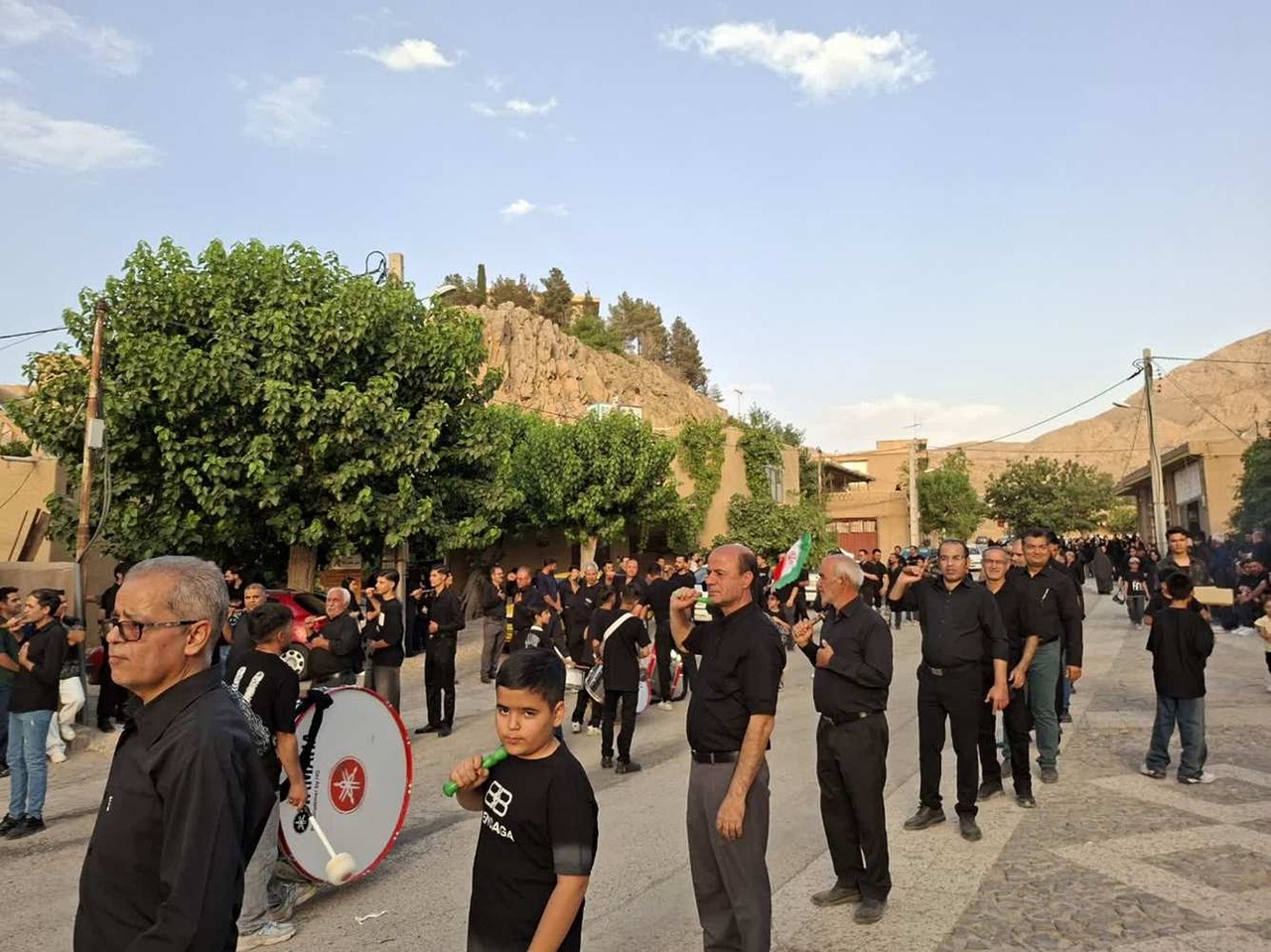
The Echo of Ashura Laments in the Heart of the Desert: A Report on Tasua and Ashura 1405 in Qaleh Bala
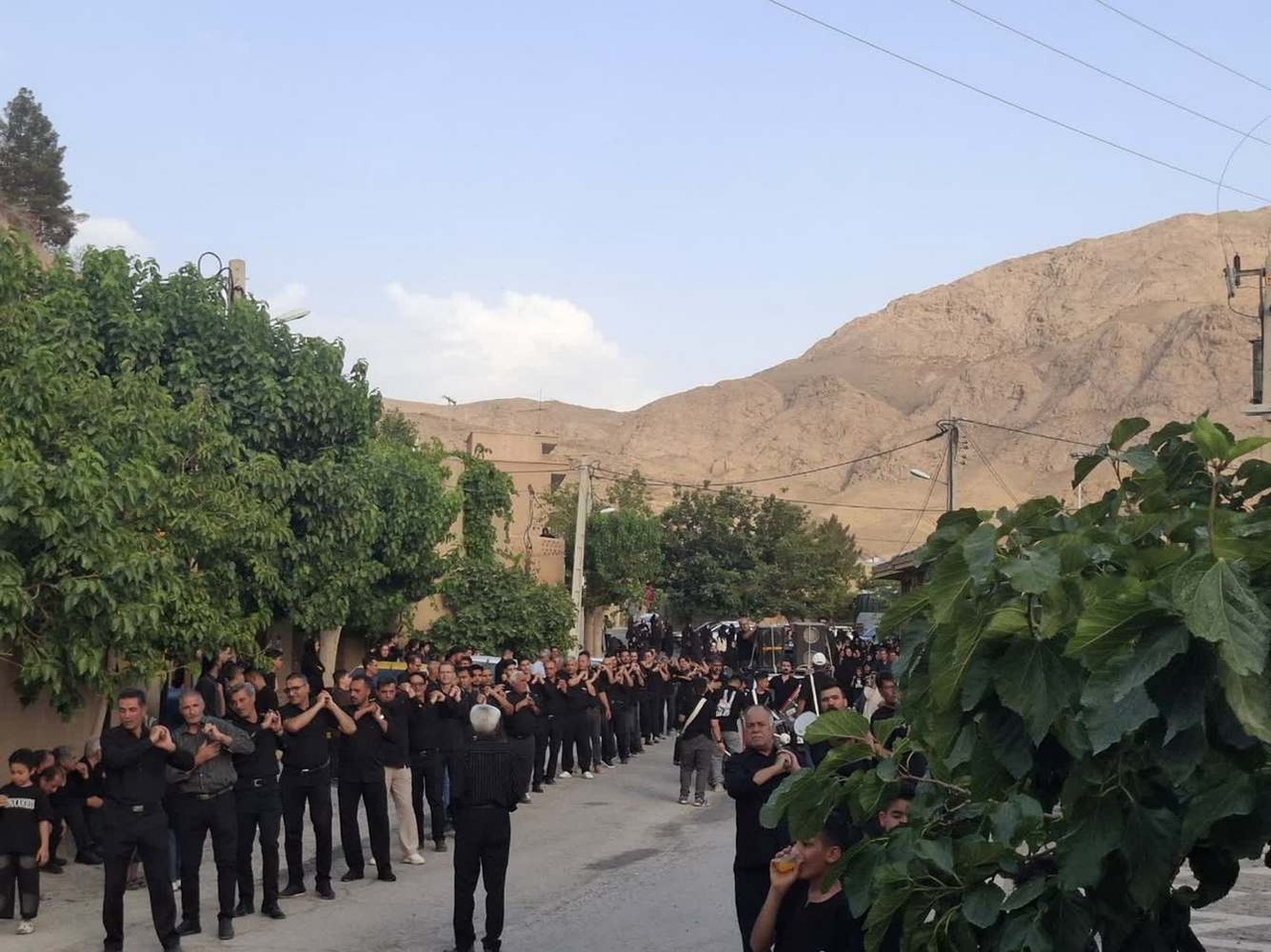
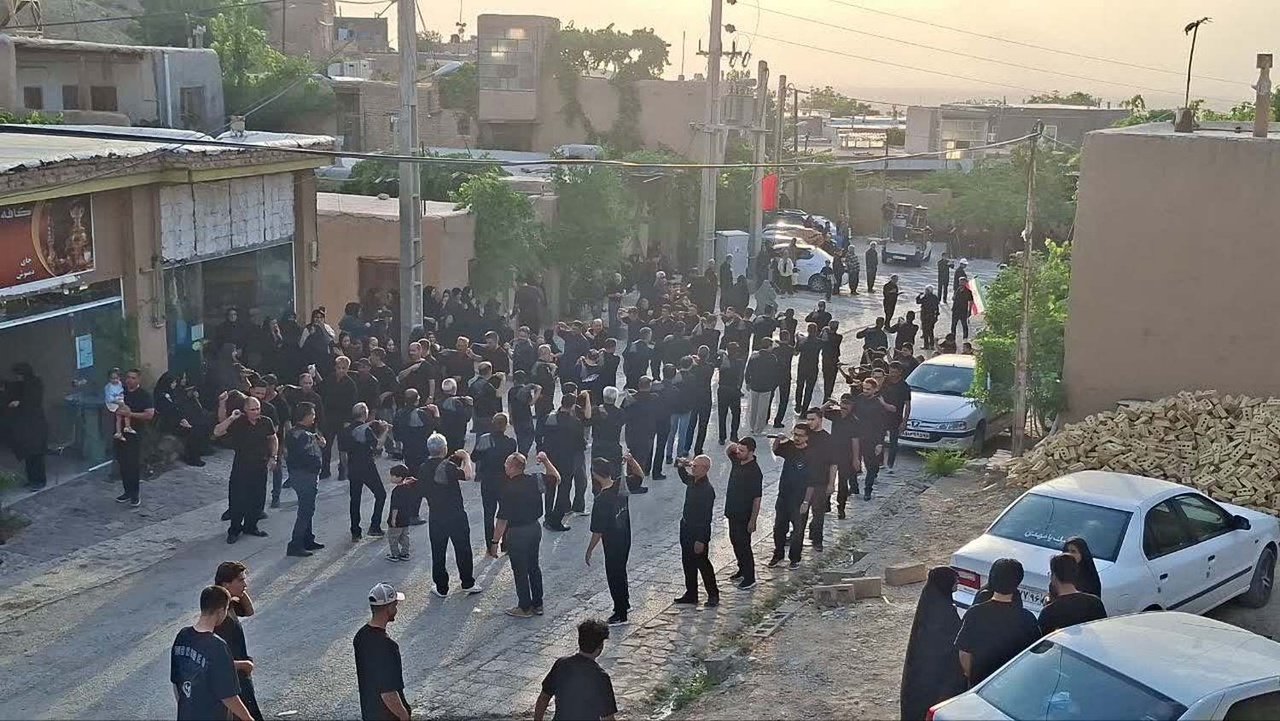
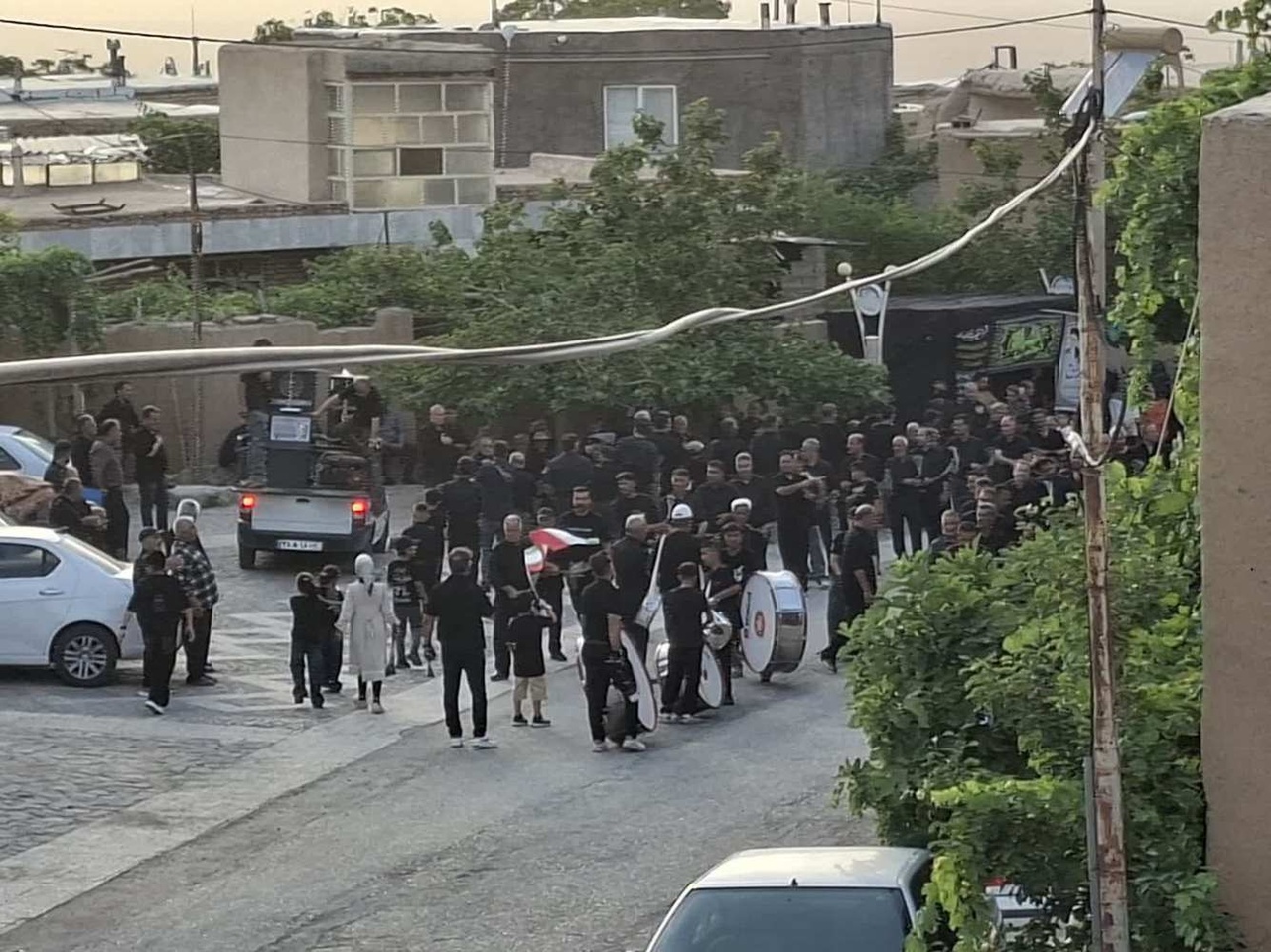
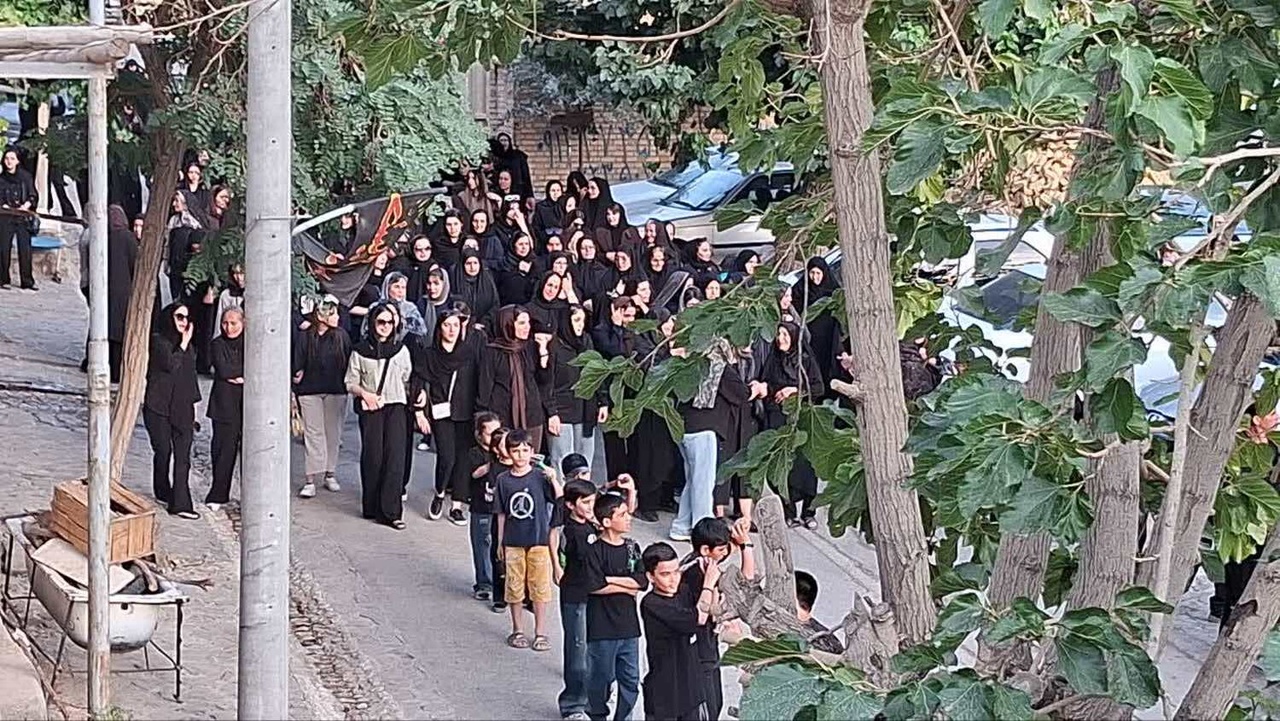
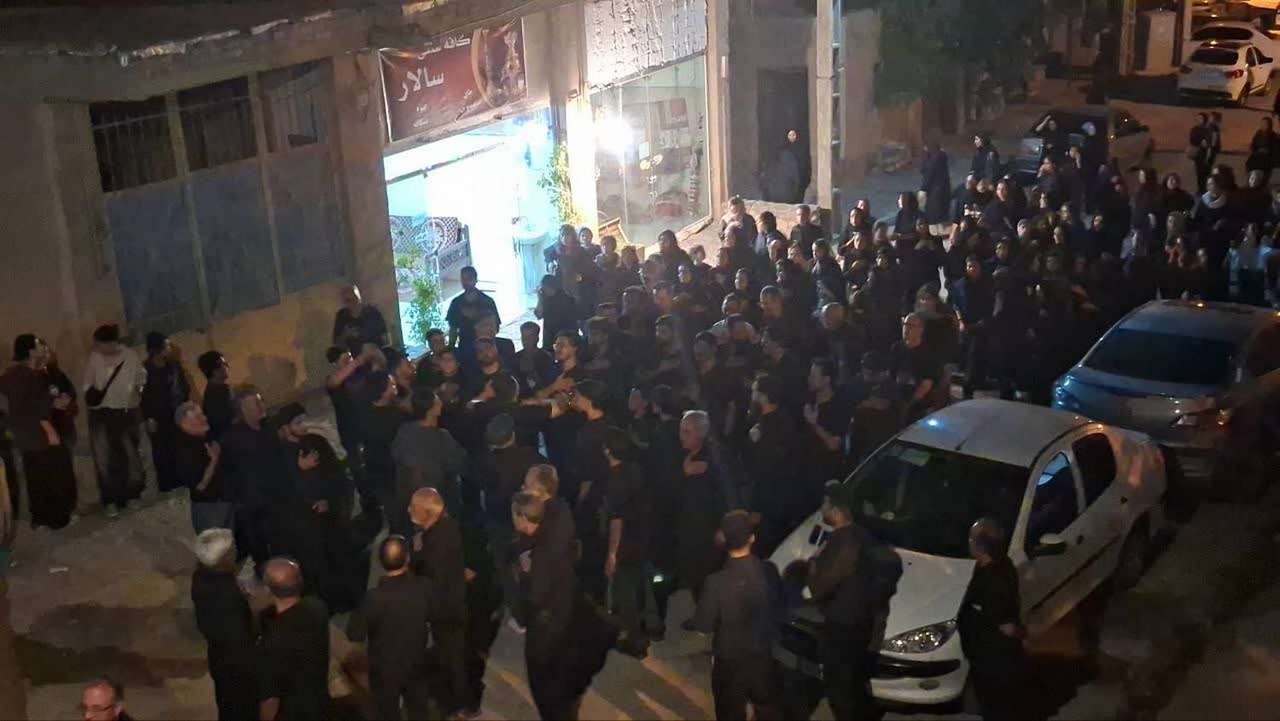
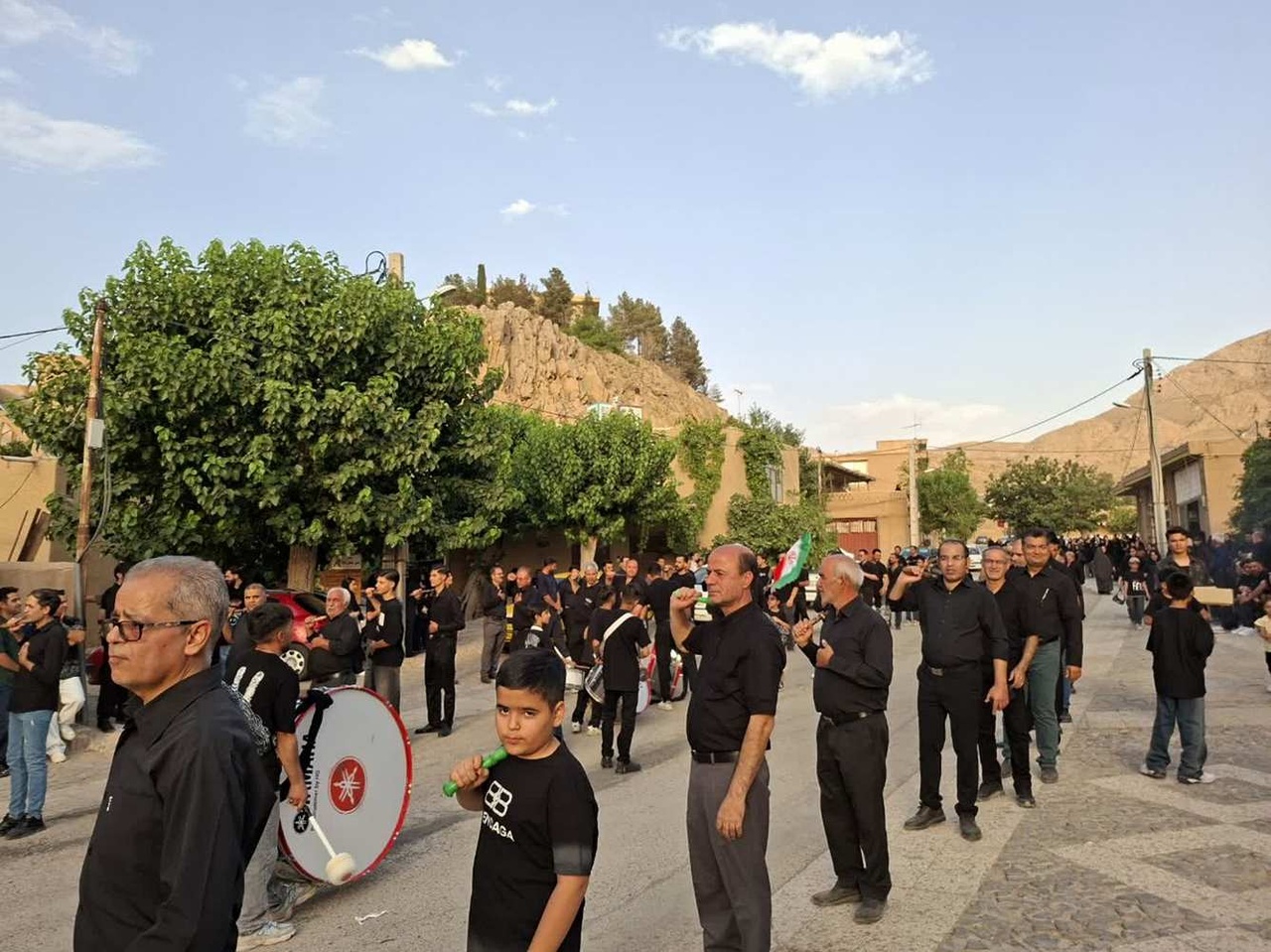
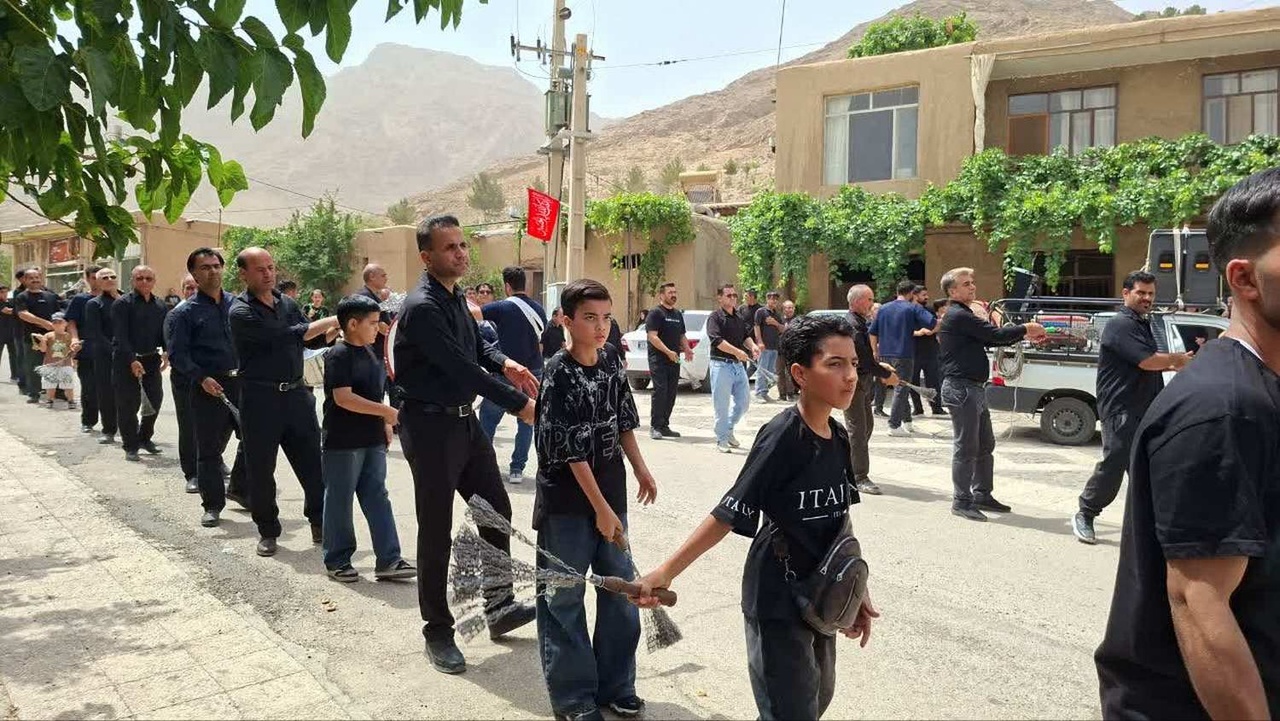
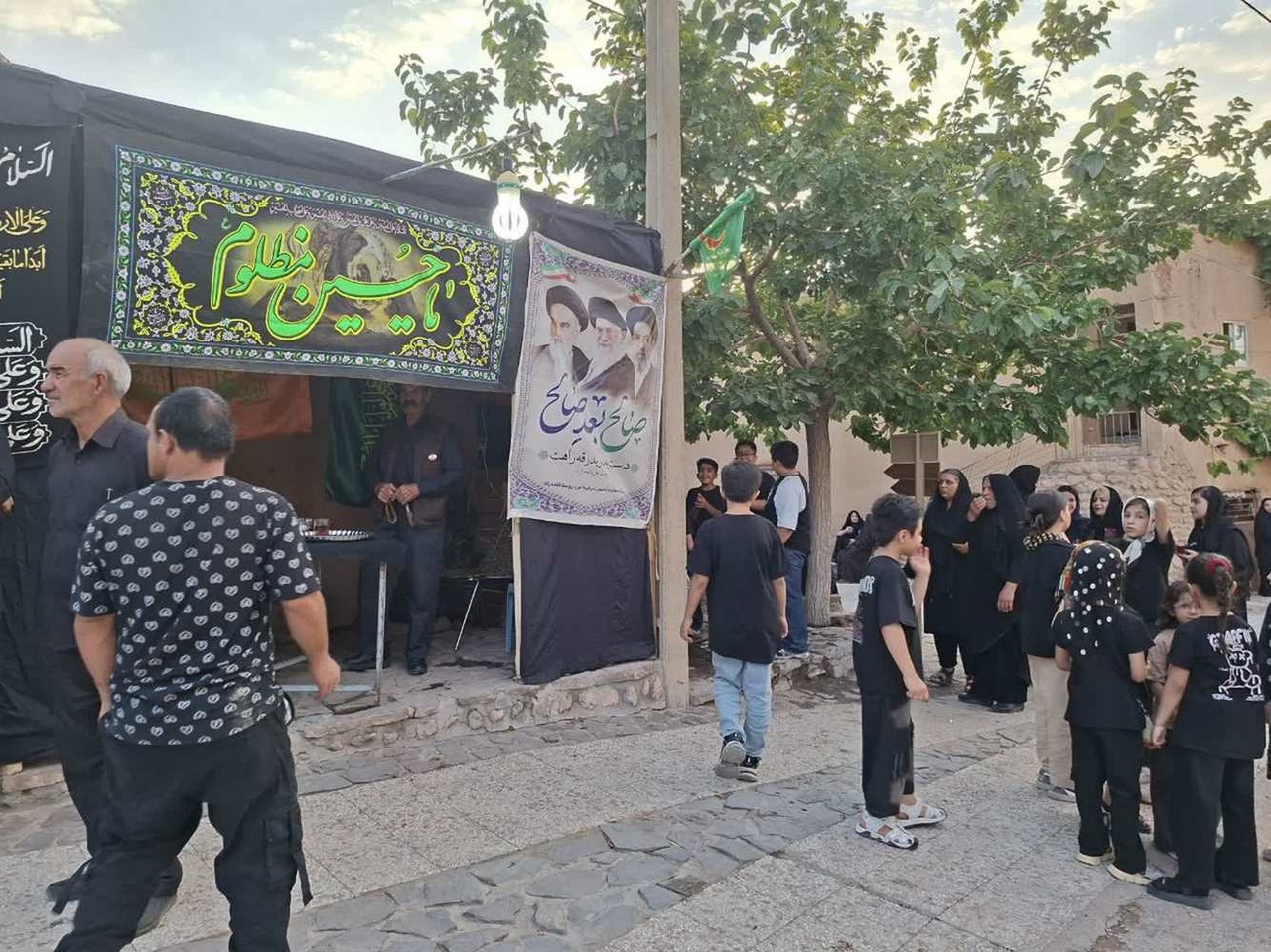
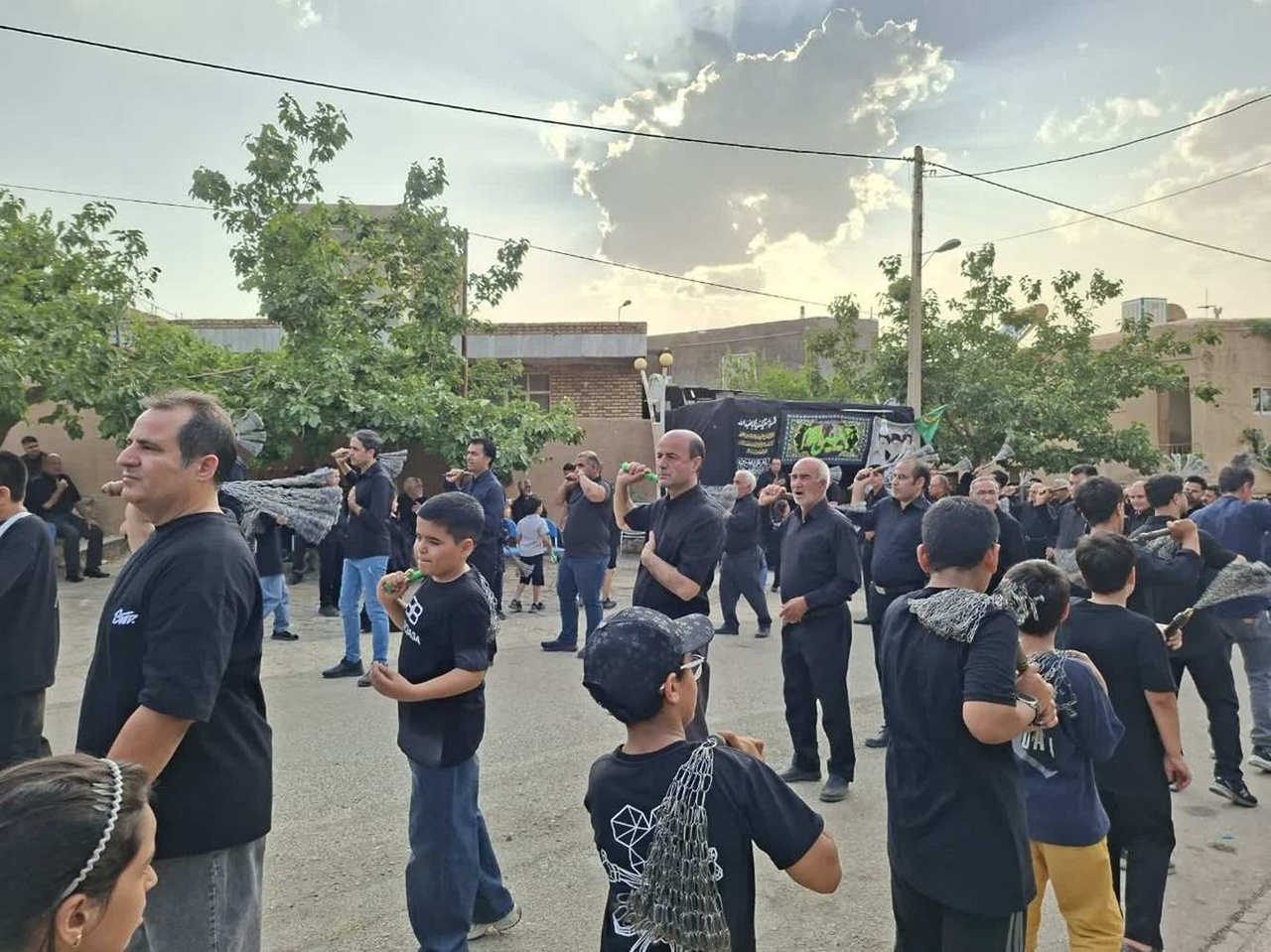
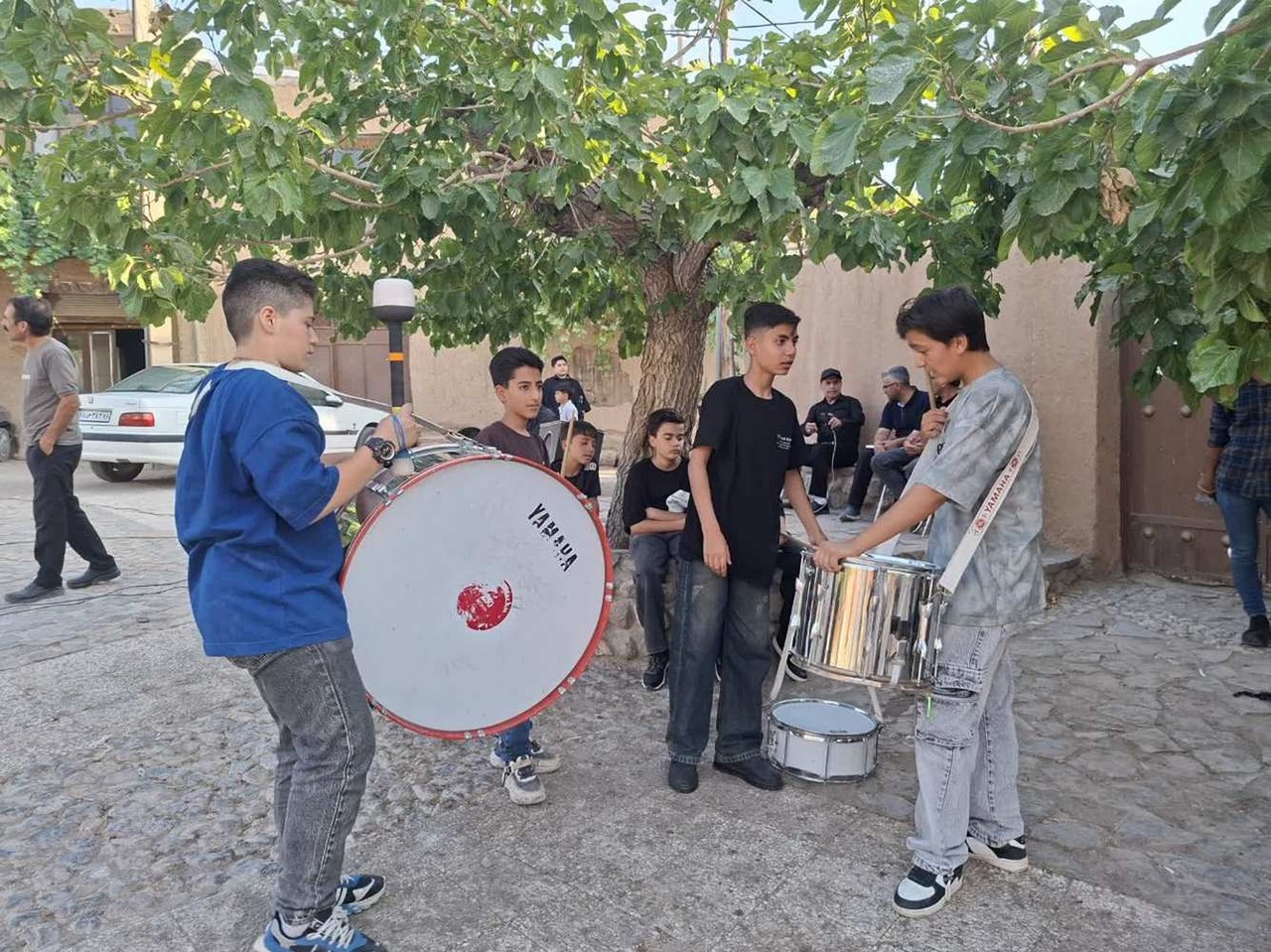
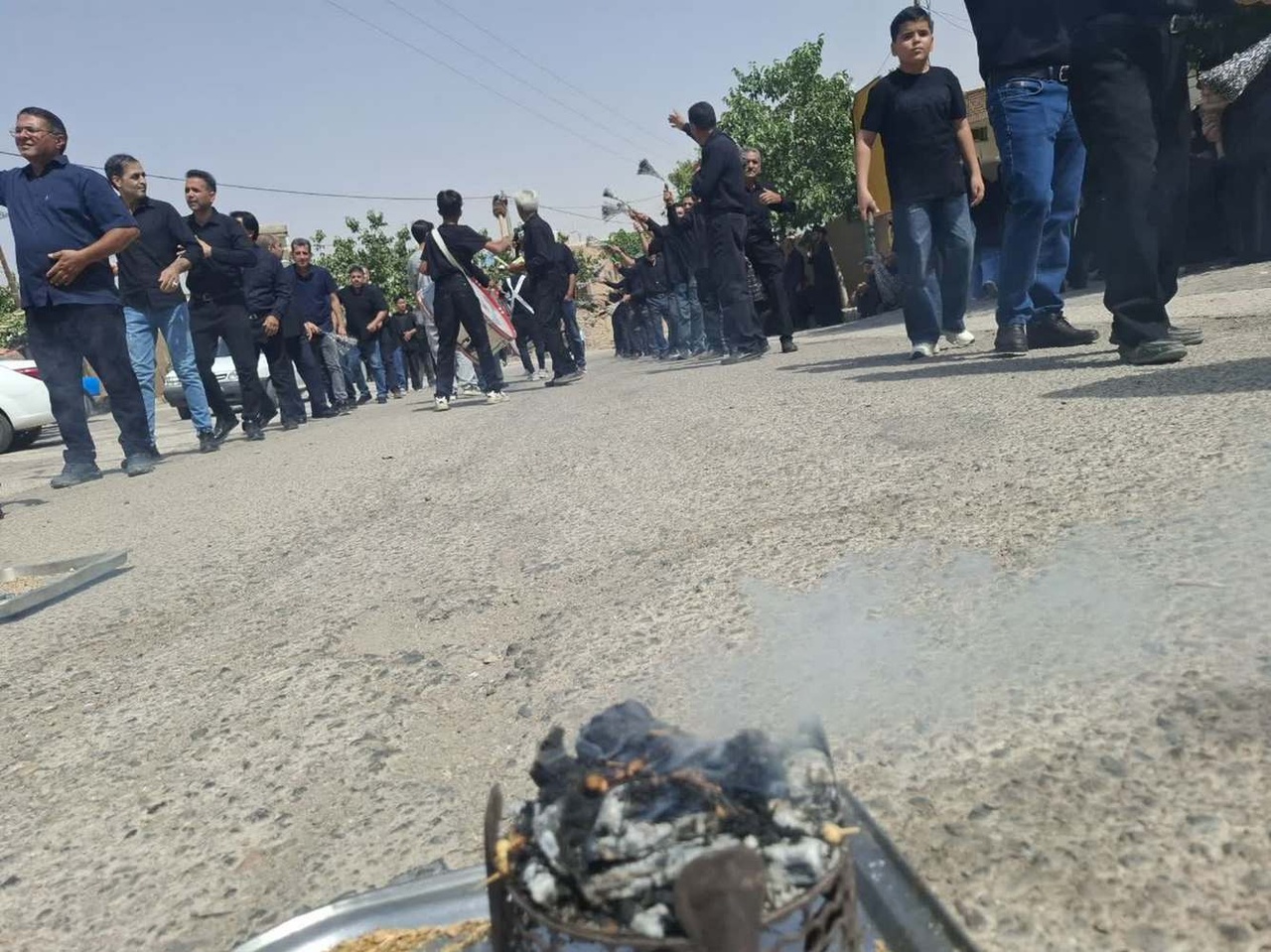
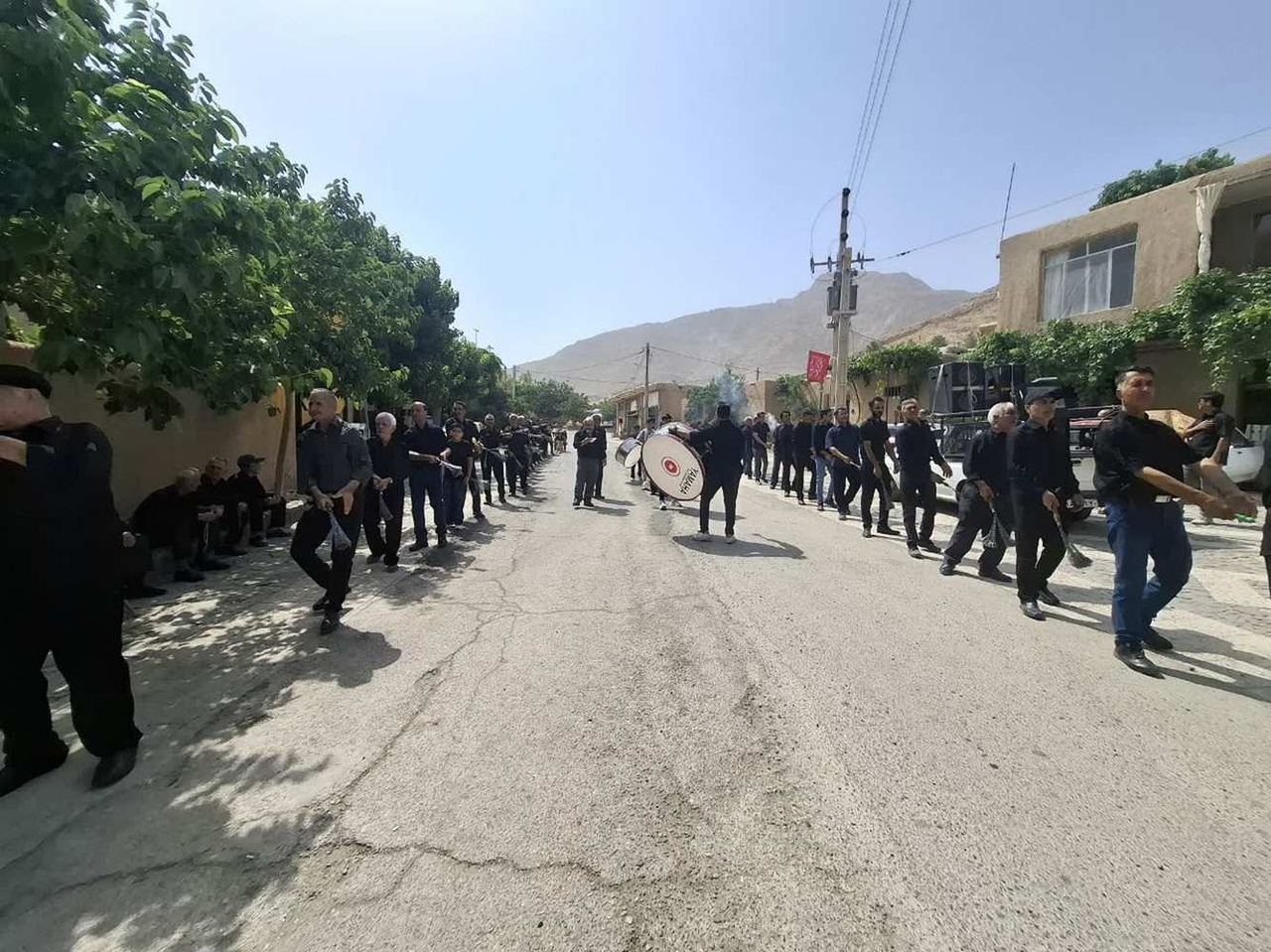
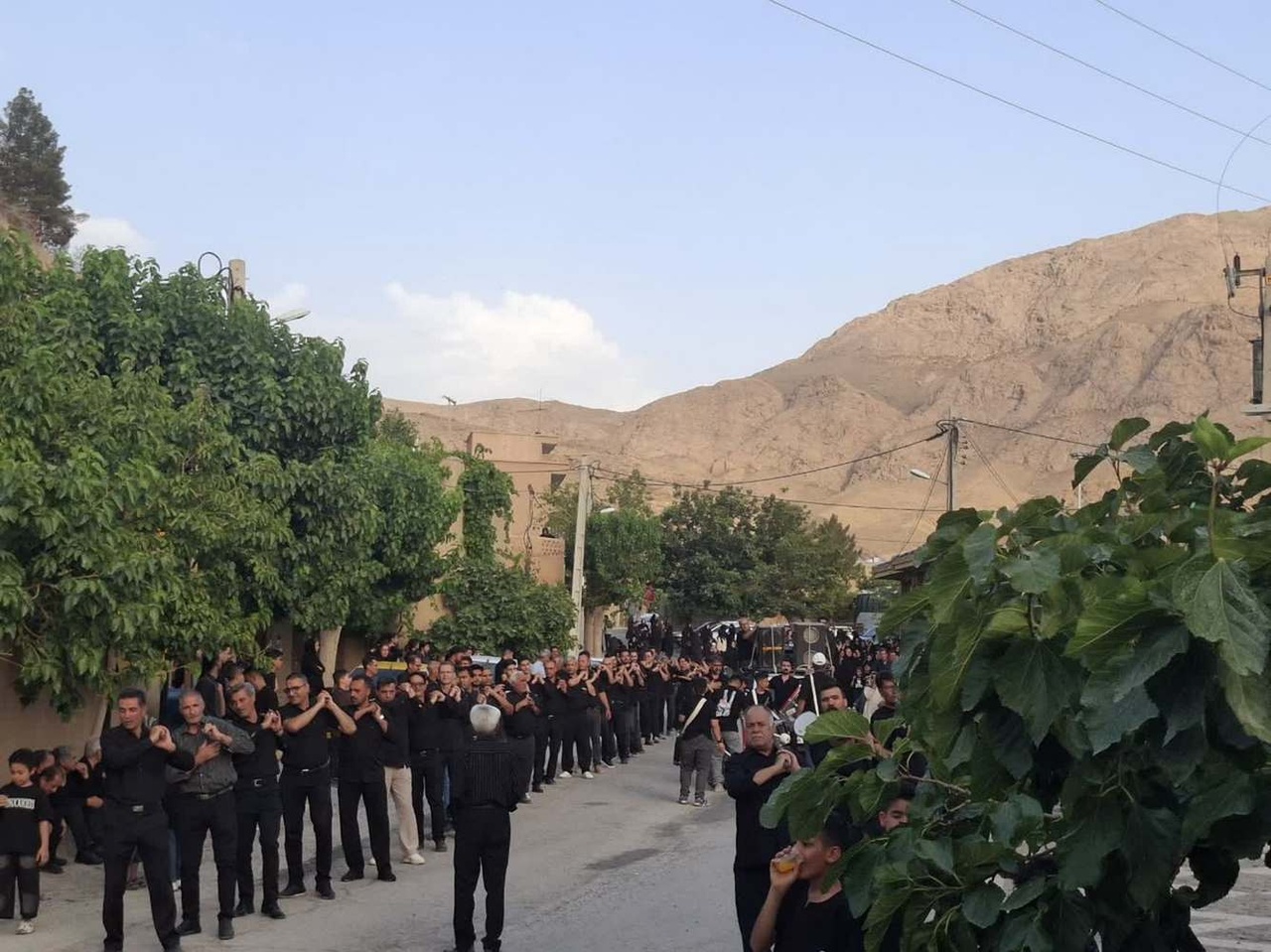
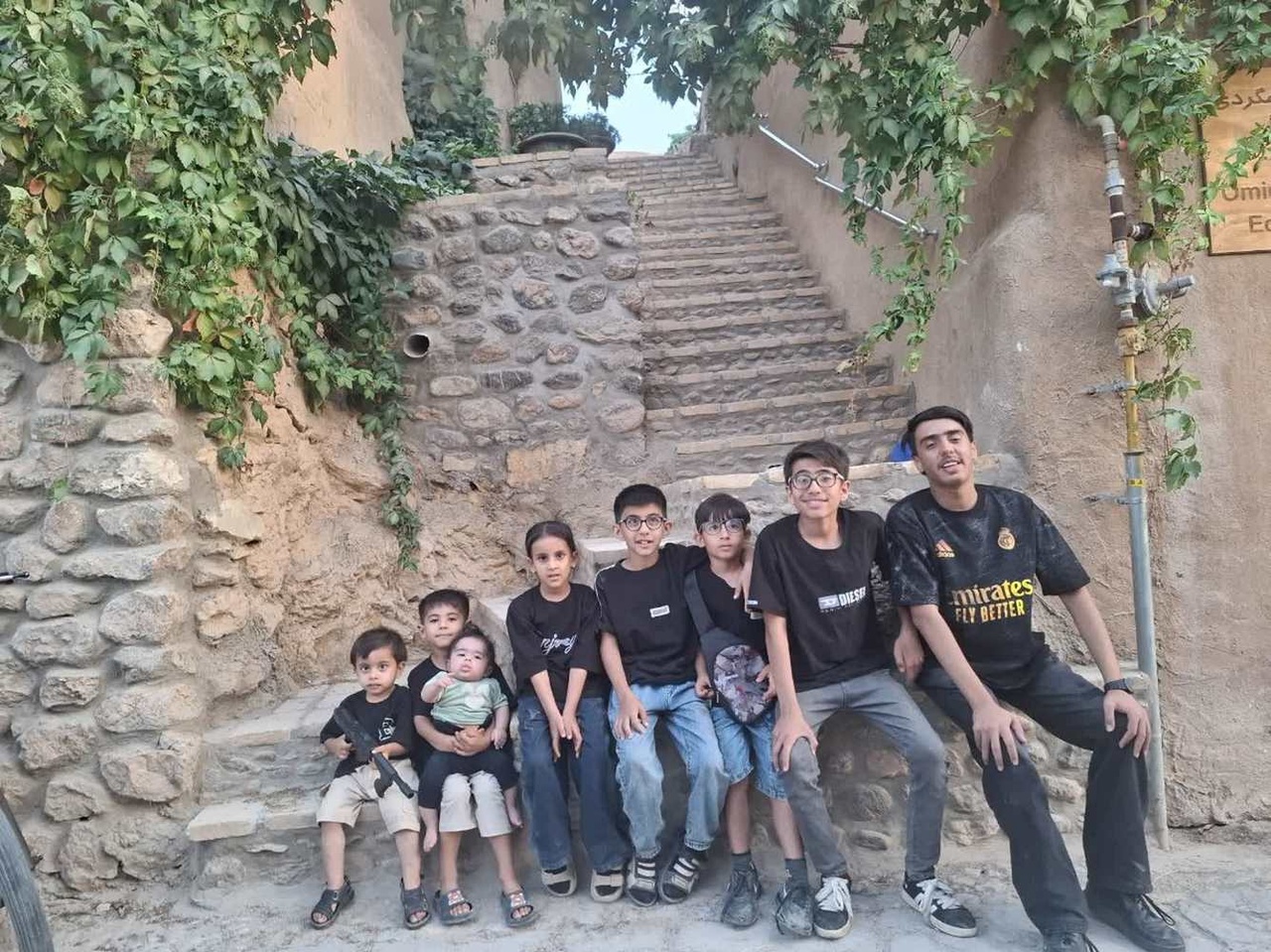
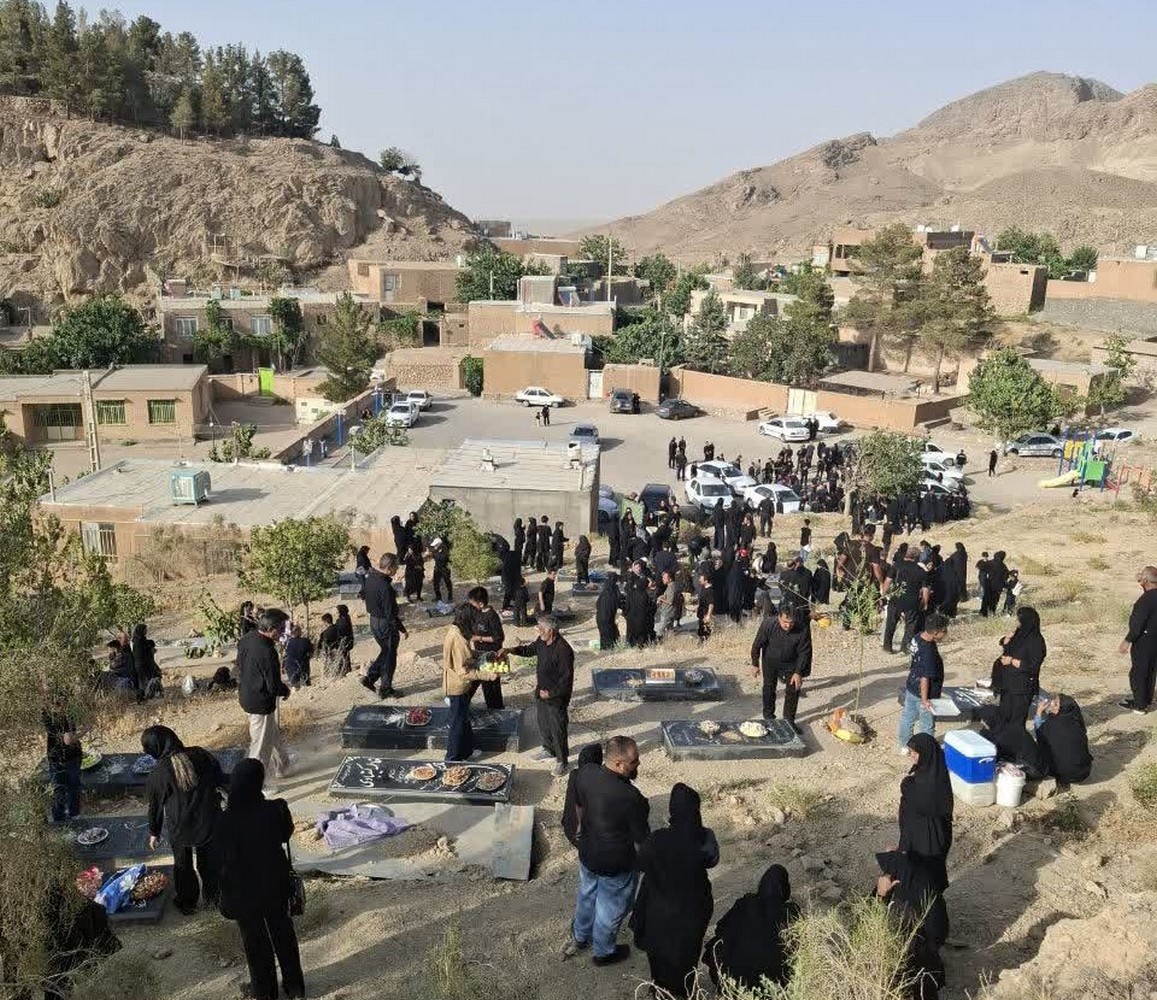
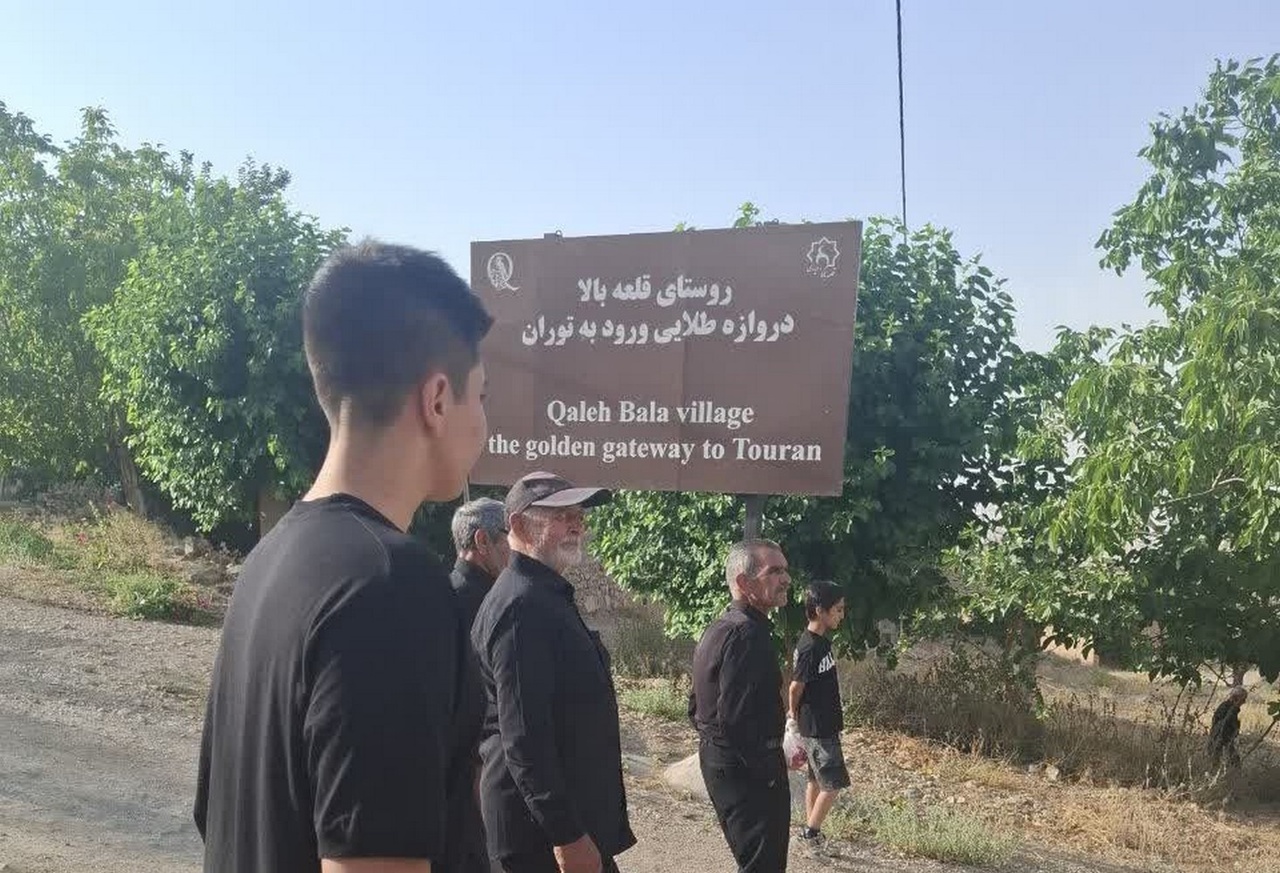
In the heart of the scorching desert, where silence intertwines with the mournful chants of Ashura, Qaleh Bala Village once again bore witness in 1405 to a heartfelt expression of devotion to Imam Hussein, the revered leader and martyr of Karbala. The village’s deeply rooted mourning traditions resonated through its narrow mud-brick alleys, carrying both the passion and spiritual reflection of the Husayni tradition. The rhythmic sounds of cymbals and damams filled the air, while salavati refreshment stations and communal votive meals offered a warm expression of the villagers’ renowned hospitality. This visual report captures the heartfelt participation of young people and children in mourning processions, moments of sincere devotion in the village’s mosques and historic takiyahs, and the profound connection between faith, the village’s historic fabric, and its desert landscape. It is a portrait of a living tradition of mourning—one that, in Qaleh Bala, remains deeply rooted in the memory and spirit of the martyrs of Karbala.