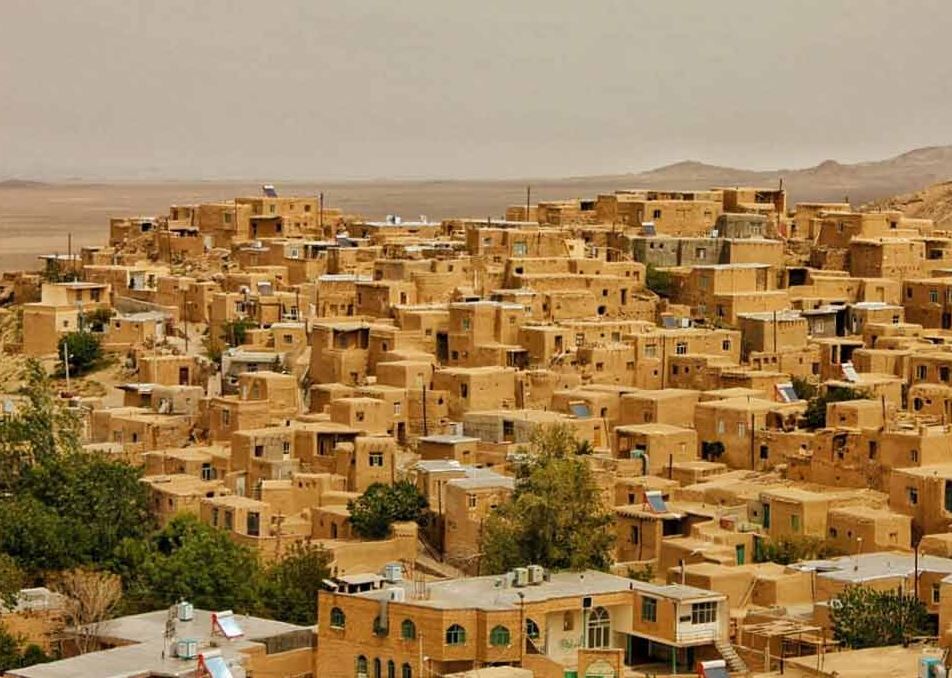
Qaleh Bala and Rezaabad: Models of Resilience and Tourism in the Heart of the Desert
Drought and migration have dimmed the light of life in some villages in recent years. However, the villages of Qaleh Bala and Rezaabad, located in the Beyarjomand District of Shahrud, in eastern Semnan Province, have chosen a different path by building on their rich natural and cultural heritage and focusing on sustainable tourism. Their approach offers an inspiring model for rural economic development, the preservation of local heritage, and population retention in the heart of the desert.
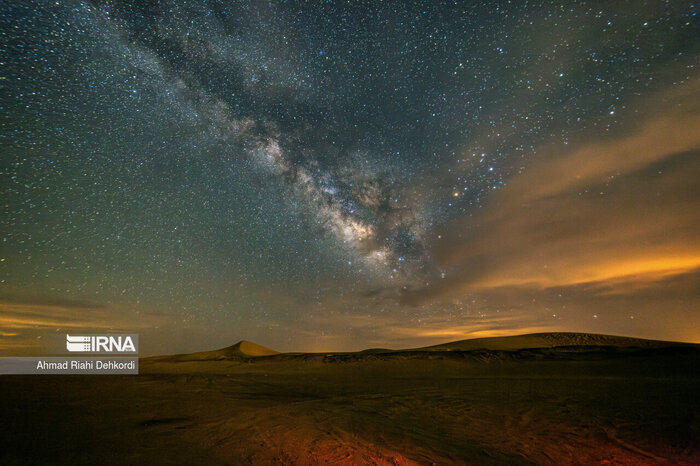
Once upon a time, life in Qaleh Bala and Rezaabad, in the Beyarjomand district of Shahrud, was deeply intertwined with the scent of the soil and the sounds of livestock herds. For years, agriculture and animal husbandry had been the main sources of livelihood for the people of this region. However, successive droughts and the consequences of climate change gradually depleted the land’s vitality, making it increasingly difficult to sustain this traditional way of life. Yet the people of these villages refused to surrender to the drying land. Relying on their determination, cultural heritage, and solidarity, and with the support of local authorities, they embarked on a new path—a path rooted in history, culture, and the local natural environment, leading to tourism.
The arrival of tourists has become a blessing for the people of Qaleh Bala and Rezaabad in Beyarjomand, breathing new life into their livelihoods and rekindling hope for remaining in their homes. The villagers warmly welcome visitors with genuine smiles and bid them farewell with fond memories.
Perhaps this is also the secret behind the return of many tourists and the growth of tourism in this region: alongside discovering the beauty of the desert, visitors experience the warmth and sincerity of people whose homes and hearts are open to guests, and whose hospitality is genuine and unpretentious.