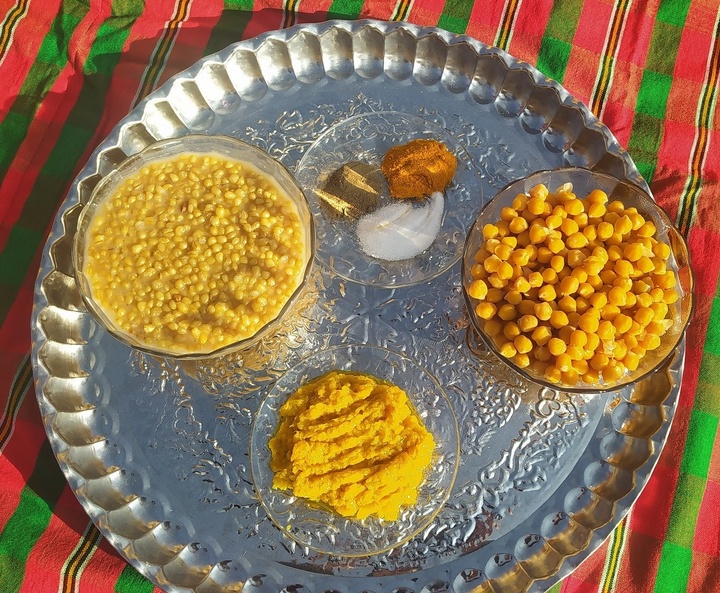
“Danoo” Ash-e Dandooni; A Flavorful Ritual in the Celebration of a Child's First Tooth in Qaleh Bala Village
Ash-e Dandooni or “Danoo” is not just a traditional food, but an ancient and meaningful ritual; a simple and nutritious dish that is cooked in Qaleh Bala village on the occasion of a child's first tooth eruption and, by sharing it among family and neighbors, revives happiness, empathy, and social bonds. ... Qaleh Bala village. In this ritual, families cook Ash-e Dandooni or “Danoo” on the occasion of the infant's first tooth eruption... It is considered a celebration of the country's intangible cultural heritage. In Qaleh Bala, mothers, upon observing signs such as the thinning or sharpening of the gums...
IRNA: Ash-e Dandooni, one of the traditional and authentic types of Iranian Ash (thick soup), is rooted in family and cultural rituals. This symbolic food has been prepared for a long time in the ceremonies of children's teething and still holds a special place among Iranian families, especially the residents of Qaleh Bala village.
In this ritual, families cook Ash-e Dandooni or “Danoo” on the occasion of the infant's first tooth eruption and share it with their loved ones. This Ash is not only a symbol of the child's happiness and health but also provides an opportunity for gathering and strengthening family bonds.
Ash-e Dandooni is prepared with a combination of nutritious legumes such as wheat, chickpeas, lentils, and sometimes beans. These food ingredients are rich in fiber, protein, and minerals, and for this reason, this Ash is considered a complete and healthy meal for all family members. Its pleasant taste, soft texture, and high nutritional value make it a popular choice for an afternoon snack, appetizer, or even a main meal.
Ash-e Dandooni, beyond being a food, carries messages of affection, hope, and the beginning of a new phase in the child's life. Preserving and promoting these traditions is considered an effective step in cherishing the intangible cultural heritage of the country.
In Qaleh Bala, mothers, upon observing signs such as the thinning or sharpening of the child's gums, which indicate the eruption of the first tooth, get to work and prepare Danoo with love and care. This Ash is not only a symbol of the child's growth and health but also an opportunity for family gatherings and celebrating this sweet stage of the infant's life.
This simple yet nutritious Ash is prepared with a combination of accessible and healthy ingredients.
Ingredients: Wheat, Chickpeas, Onion, Oil, Salt, Pepper, Turmeric, and Water
Preparation Steps
Cleaning and Soaking Legumes: Chickpeas and wheat are carefully cleaned and washed several times with cold water. Then, they are soaked in water for a few hours to remove the flatulence from the chickpeas. During this time, the water for the chickpeas is changed several times so that the chickpeas become "light" and ready for quick cooking.
Parboiling Legumes: Chickpeas and wheat are parboiled separately until they have a soft and combinable texture.
Combining and Seasoning: After parboiling, chickpeas and wheat are mixed together, and golden fried onions, salt, pepper, and turmeric are added. This mixture is placed on low heat for half an hour to thicken well and for the flavors to blend properly.
The Custom of Sharing Danoo
After preparation, Ash-e Dandooni is poured into bowls and distributed among friends, acquaintances, and relatives. This part of the ritual is a symbol of happiness, empathy, and the beginning of a new phase in the child's life. In Qaleh Bala village, unlike some other regions of Iran, only two types of legumes, chickpeas and wheat, are used to prepare Danoo. This simplicity in the combination indicates the authenticity and deep connection of this food with the local culture.
According to the locals, Danoo has a warm nature and is very nutritious. Its simple yet nutritious combination of chickpeas and wheat is beneficial and energizing not only for the child but also for all family members. This food is flavored with fried onions, turmeric, pepper, and salt and is cooked in an atmosphere full of affection and joy. Ash-e Dandooni is cooked when the child shows the first signs of teething, such as the gums thinning or, as they say, sharpening. This sweet moment is celebrated by cooking Danoo and is an excuse for family gatherings and joy. According to oral traditions of the locals, the history of cooking Ash-e Dandooni in Qaleh Bala dates back over a century. This food has been passed down through generations and is still prepared with the same authenticity and simplicity. In the cooking process, there are specific roles among family members; mothers are responsible for preparing the ingredients, cooking, and distributing the food, and other members participate in the ceremony and hospitality.
Qaleh Bala village, recognized as a tourism target village, hosts the Zag-e Borr (Black Finch) Tourism Festival annually; an event held with the aim of introducing Iran's native and rare bird, the Zag-e Borr. In this festival, locals serve Ash-e Dandooni to domestic and foreign tourists, and this food has become one of the cultural and culinary symbols of the region. Danoo at this festival is not just a dish but a cultural experience that introduces tourists to local traditions.
In recent years, the teething celebration has moved away from its simple and familial form and has become a more formal and luxurious ceremony. Nowadays, in addition to cooking Danoo, cakes in the shape of teeth, various finger foods, and diverse gifts are prepared for guests. While these changes have brought a new look to the ceremony, they have sometimes been accompanied by exorbitant costs and have deviated from the simple and intimate spirit of the Ash-e Dandooni.
“Danoo,” beyond being a traditional food, is a symbol of maternal affection, family ties, and the cultural heritage of Iran. This ritual is not only performed with the love and care of mothers and grandmothers in Qaleh Bala but is also recognized as part of the social and cultural identity of the region. The presence of this food in tourism festivals like “Zag-e Borr” indicates its high potential for introducing Iranian culture to domestic and foreign tourists.
Despite lifestyle changes and the trend towards industrial foods, preserving and transmitting traditions like Danoo requires awareness-raising, educating new generations, and precise documentation. This ritual not only offers healthy and natural nutrition to the child but also keeps values such as love, care, empathy, and respect for traditions alive in the hearts of families.
Ultimately, Ash-e Dandooni is a sweet reminder: that amidst the hustle and bustle of modern life, it is still possible to revive a deep memory and culture with a simple bowl of Ash.
It is worth mentioning that the file for the intangible heritage registration of “Danoo” has been prepared and compiled, and this valuable ritual has been registered in the list of the country's intangible heritage. This registration is an effective step in cherishing the indigenous culture and a guarantee for the preservation of this tradition in Iran's cultural memory.