Back
Clay, Water & Memory

Terraced clay architecture shaped by mountain and desert.

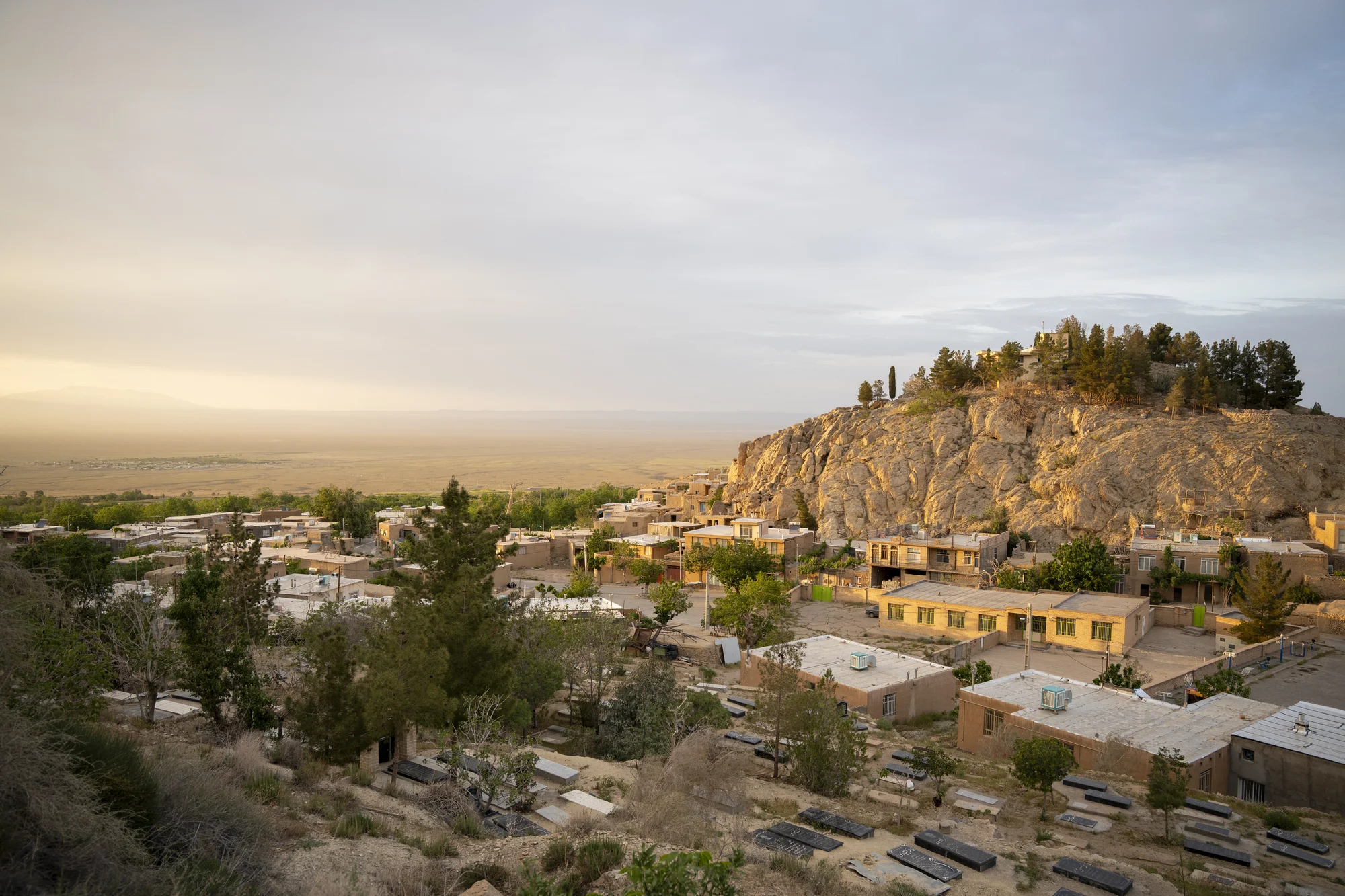
Qaleh Bala’s stepped fabric, qanat, historic bathhouse, Fenjan House, water mill, and garden alleys reveal a village built on communal life, shaped by a deep reading of the climate and harmony with its surrounding environment.

Qaleh Bala village and surrounding nature at sunrise

History & Architecture

3 qanats

Main historic water channels

14 days

Traditional water rotation cycle

20 m

Approximate Molahadin cave entrance height

01

Stepped Village

Stepped Architecture

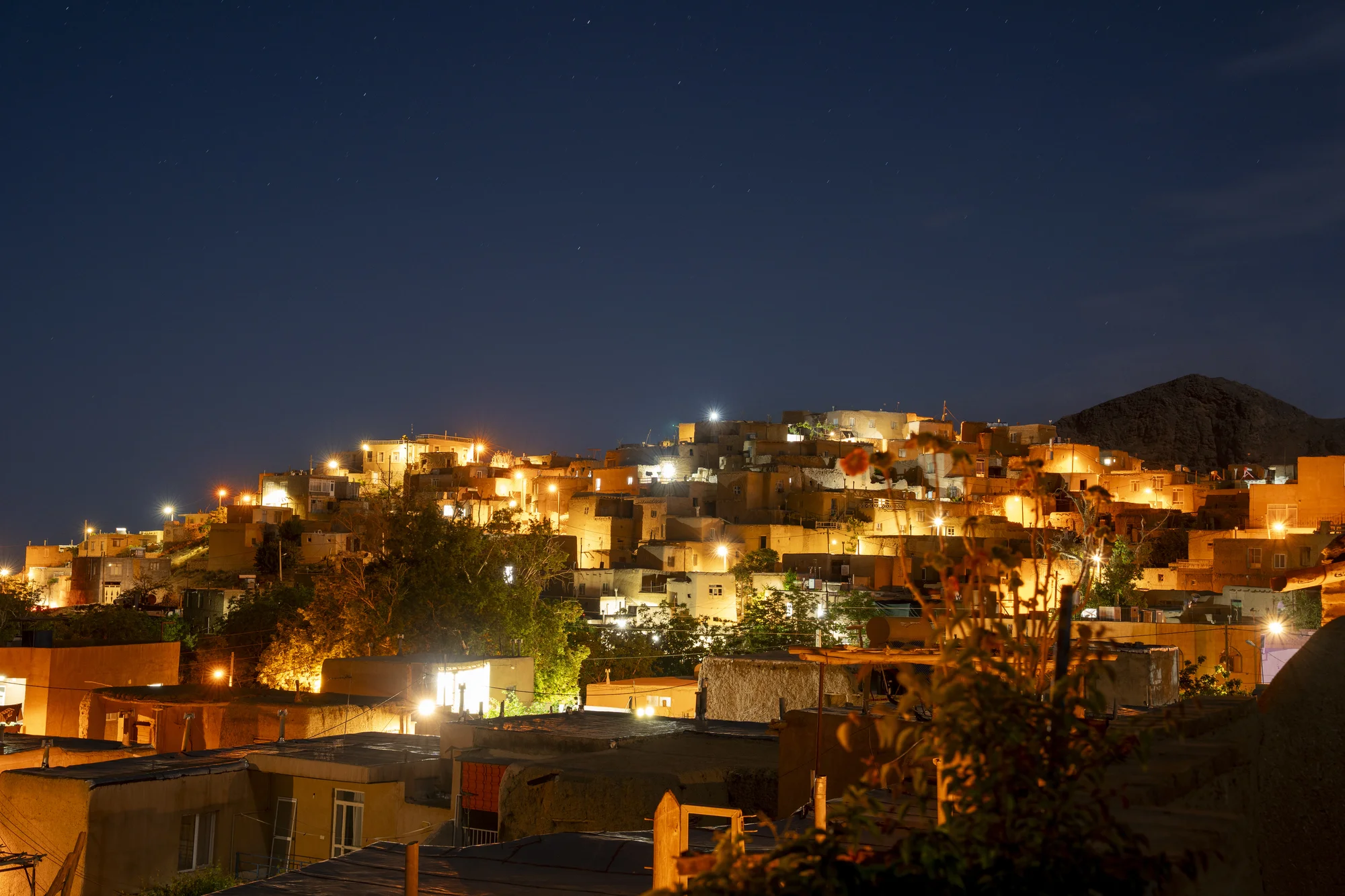
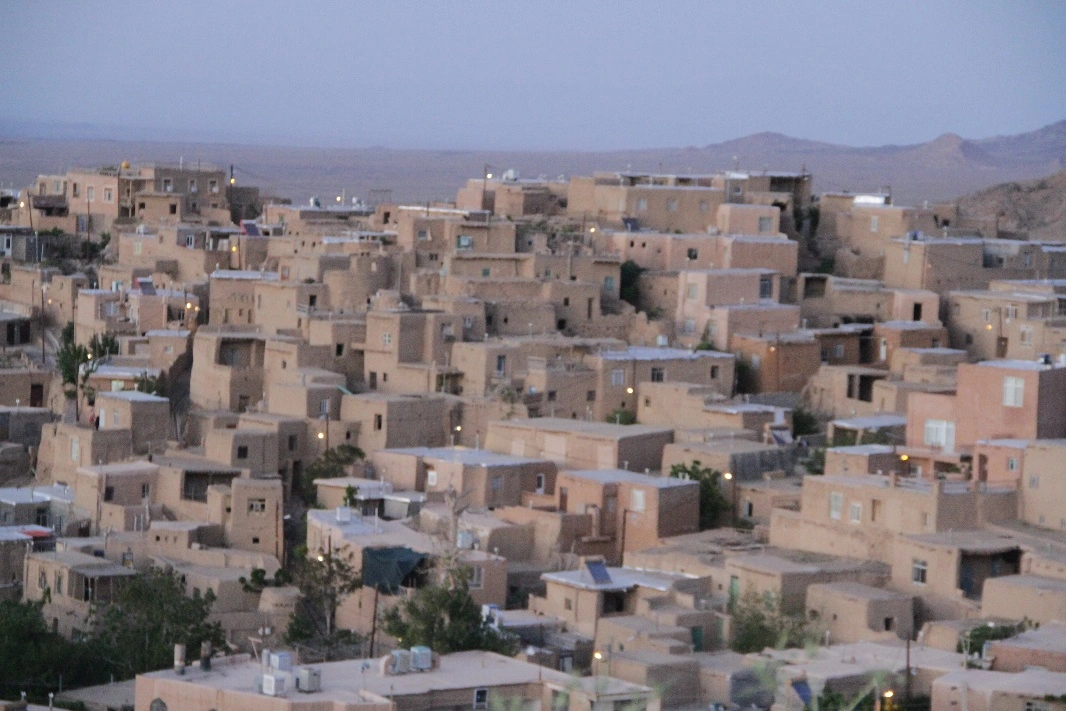
Qaleh Bala is one of the most beautiful examples of stepped architecture in Iran, built on a mountain slope. With a history reaching back a thousand years, its houses are stacked in terraces so that the roof of each home forms the courtyard of the one above. Beyond its visual beauty, this style serves climatic and defensive purposes: it shelters the houses from cold and wind and offers a better vantage point for defense against intruders.

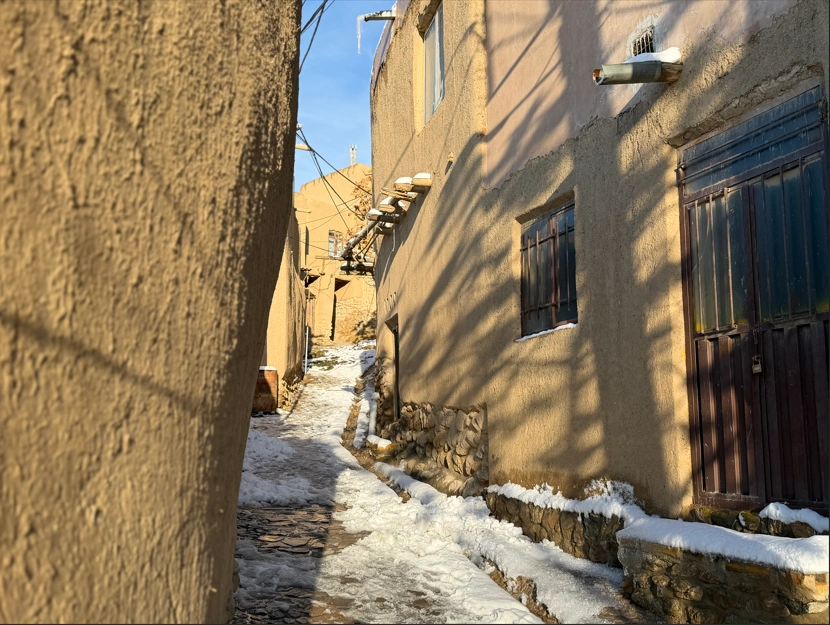
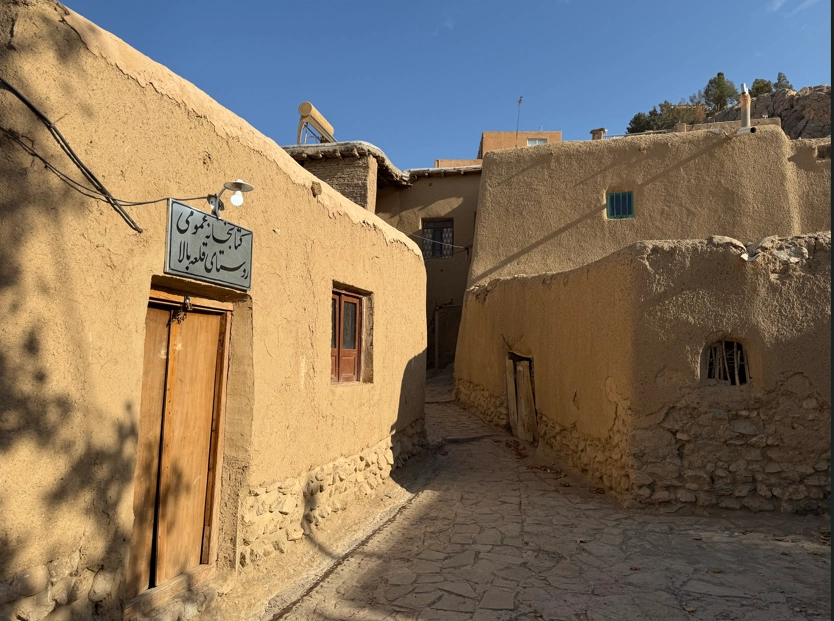
The houses of Qaleh Bala are built from local materials such as stone, clay, and wood, in full harmony with the surrounding nature. The village’s narrow, winding alleys create an intimate, inviting atmosphere that carries visitors back to distant times. This unique architecture reflects the intelligence and creativity of local builders in adapting to a harsh mountainous geography and climate.

  • Stepped architecture and the historic village fabric—valuable old houses, pir-neshins, rahvands, and sabats (covered passageways).
  • Historic bathhouse and anthropology museum, the water mill, and the Fenjan House Museum.
  • Qanats and the Chaleh Qanat, the stone inscription beside the Fenjan House, the springs, and the Molahadin Cave.
02

Bathhouse & Museum

Anthropology Museum and Historic Bathhouse

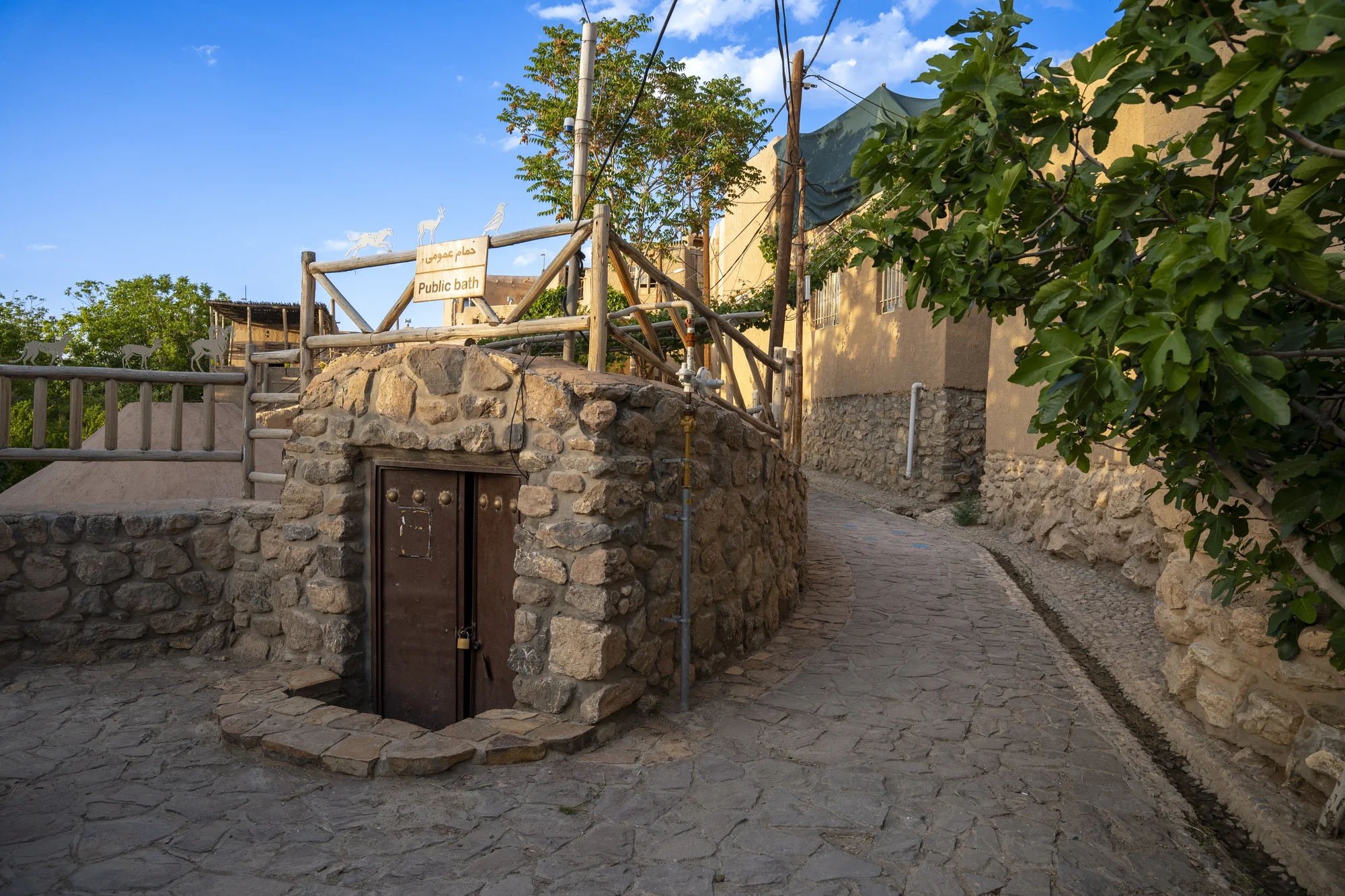
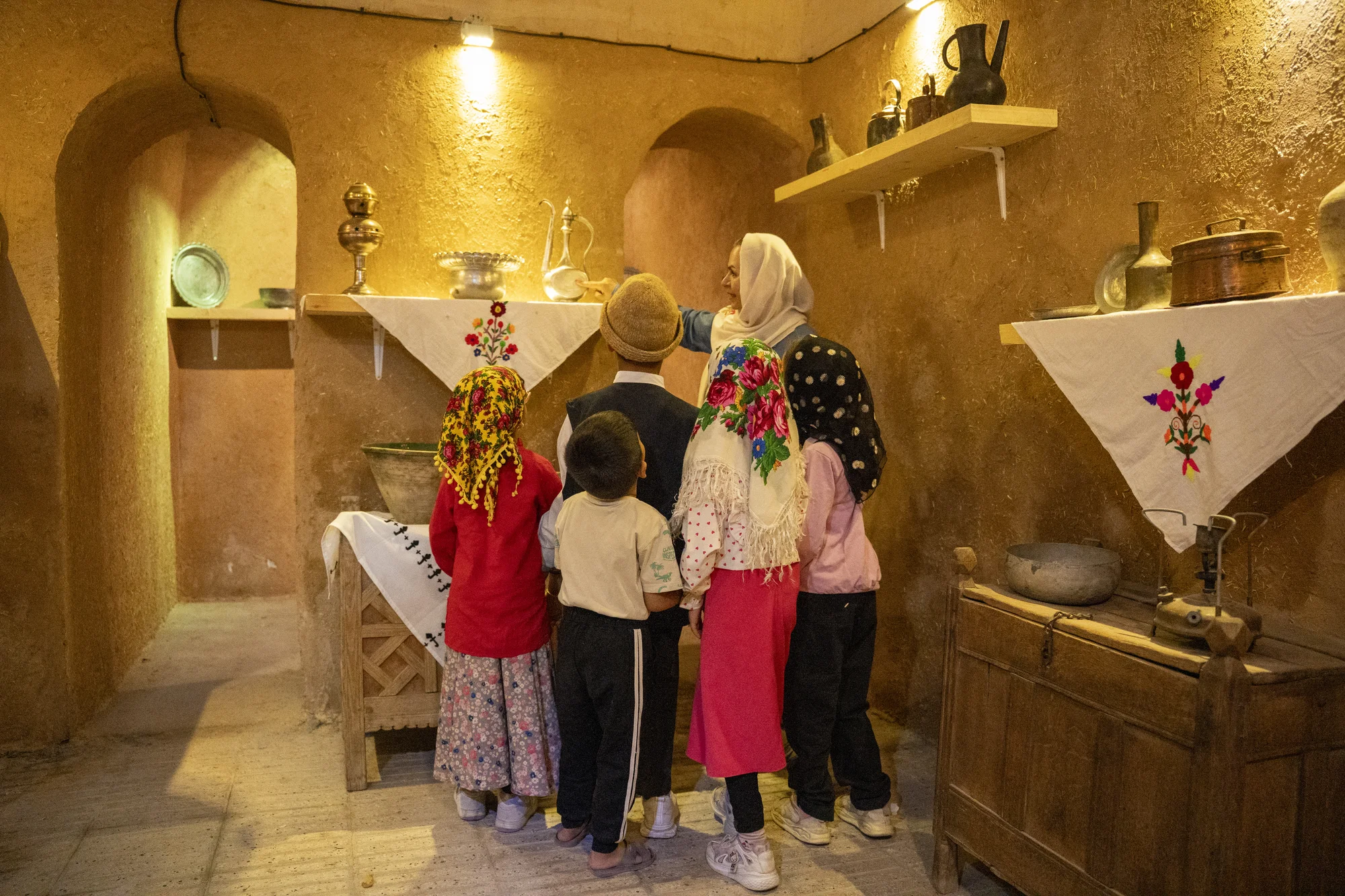
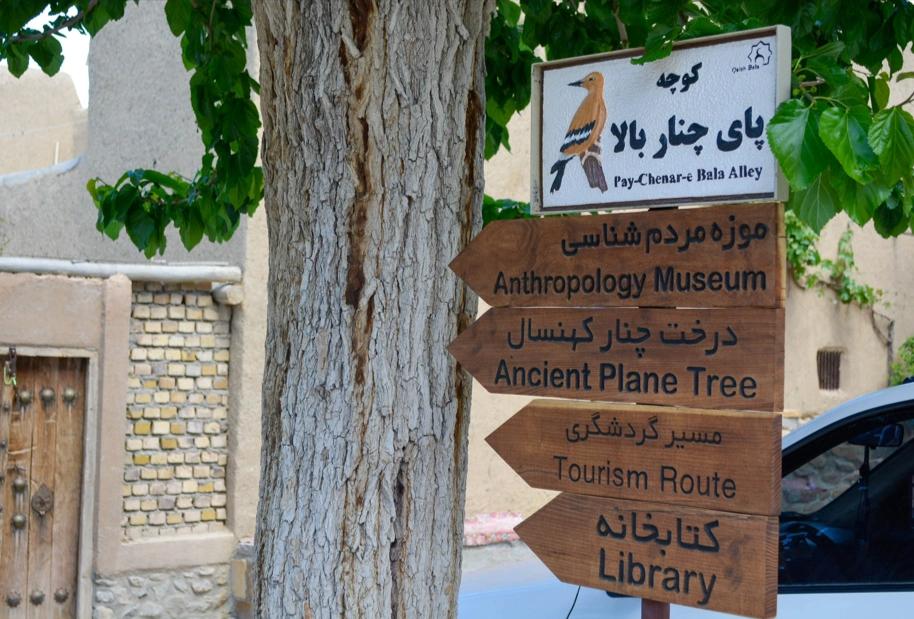
The historic bathhouse of Qaleh Bala, now transformed into the village’s anthropology museum, is one of the most appealing stops for travelers on the route to Touran National Park. Its domed space, basins, and traditional architecture—together with displays of old tools and rituals—draw visitors into the past life of the villagers and create a living experience of the region’s native culture.

03

Water Heritage

Qanats and the Chaleh Qanat

The village has three main qanat channels that form the vital artery of its drinking and agricultural water. These qanats are a precious inheritance from past generations and reflect their knowledge and effort in managing water resources.

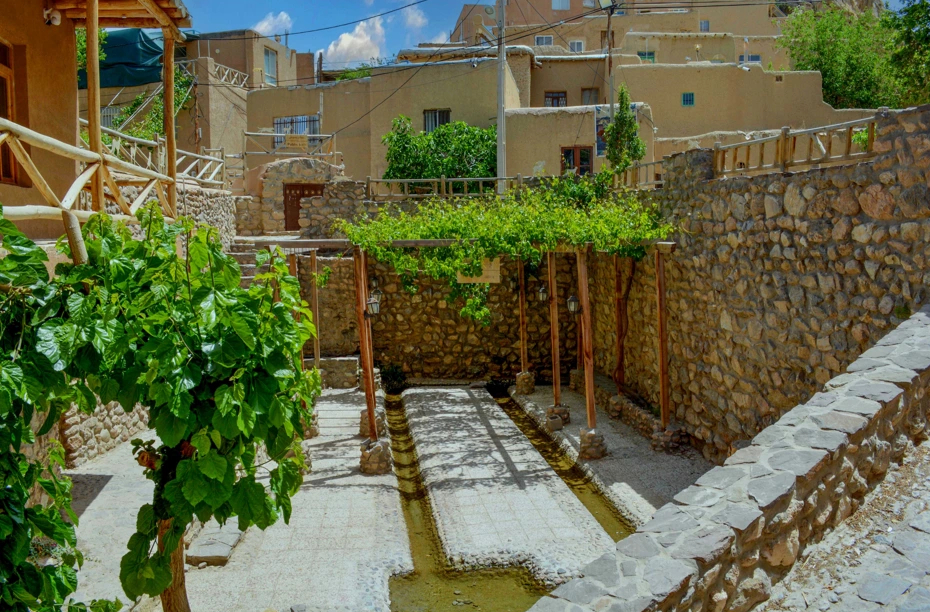
The Chaleh Qanat was the beating heart of water supply and village life; in the past it played a vital role in providing water and shaping the villagers’ daily routines—a unique complex made up of three distinct sections.

  • The main qanat (Chaleh Qanat / Āb-e Bozorg), the Masavoo qanat, and the Boz-ow qanat.
  • A drinking-water section, a central washing section, and a livestock-watering section within the Chaleh Qanat.
04

Measuring Water

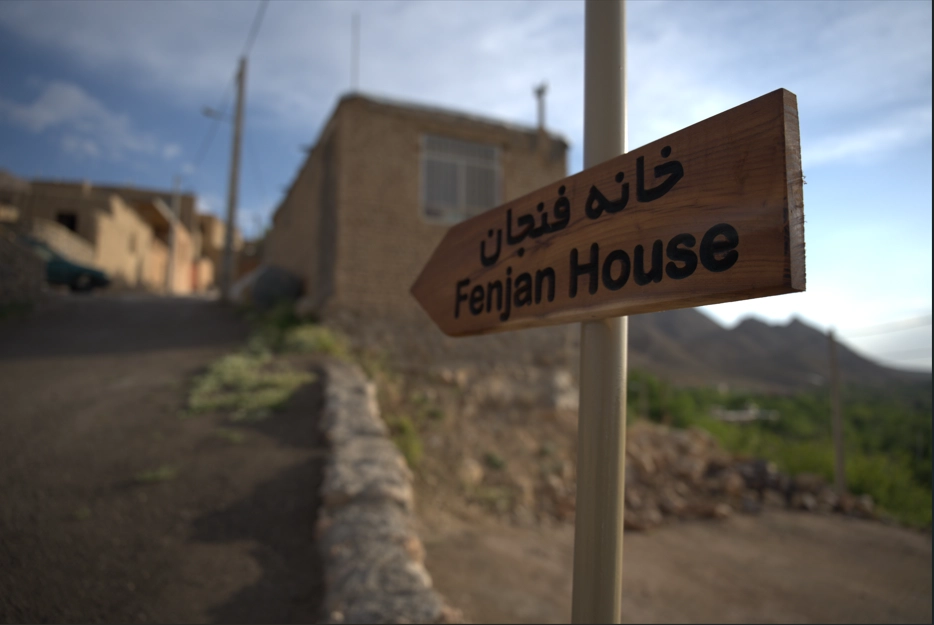
The Fenjan House Museum

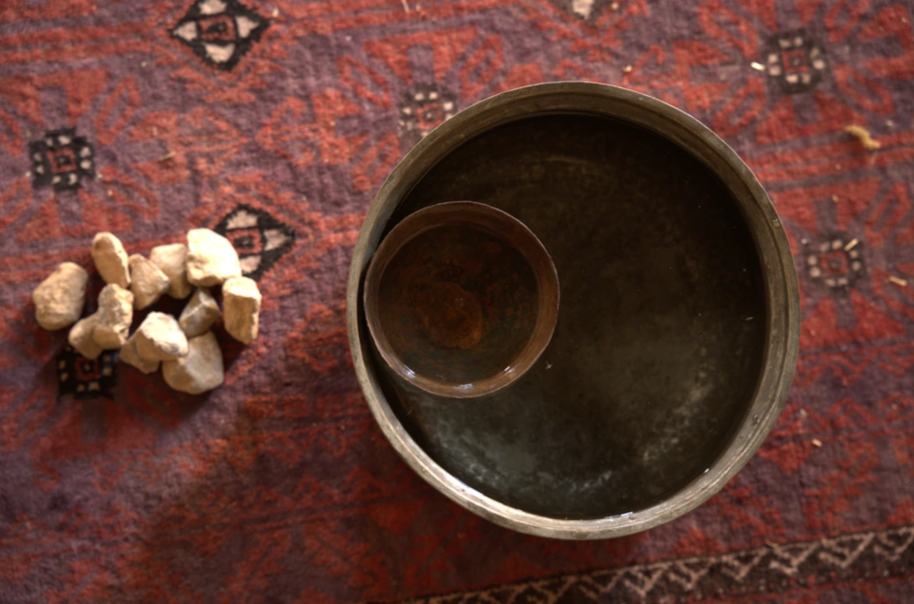
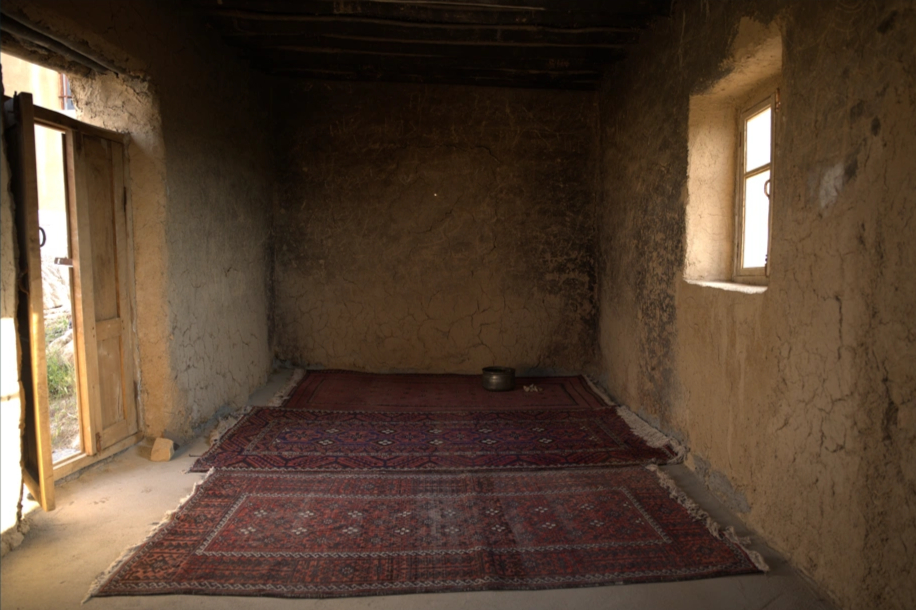
The Fenjan House Museum, a historic site, was once the center for measuring and gauging farmers’ water shares. This vital process was carried out by the mirab (the official in charge of water distribution) using simple yet precise instruments.

The measurement standard here was based on a unit called the “fenjan” (cup), which relied on floating copper bowls.

05

Mill & Trails

Water Mill and Walking Route

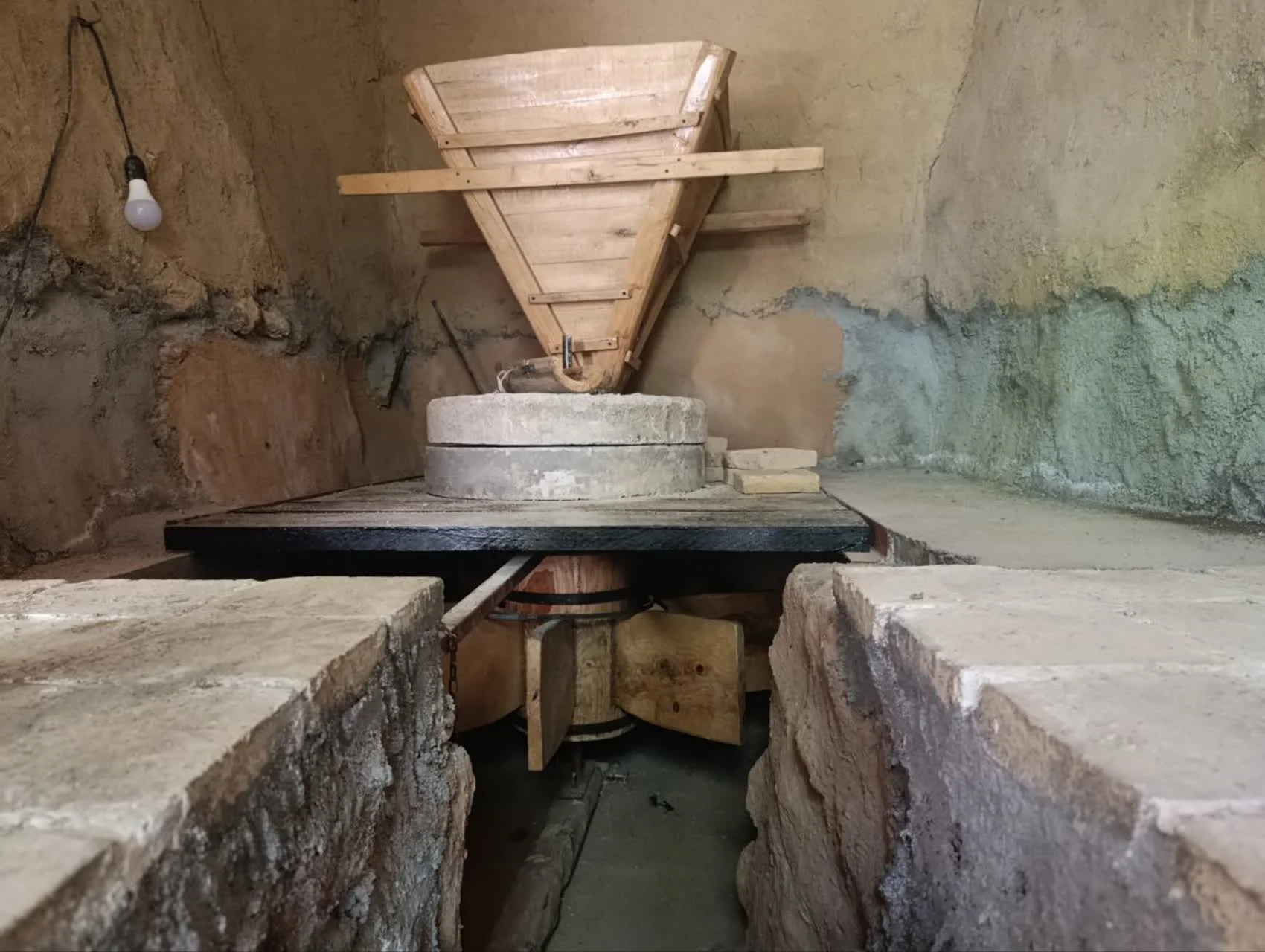
The water mill of Qaleh Bala is a relic of an age when the power of water turned the wheel of village life and played a key role in producing flour and sustaining people’s livelihoods. Now part of the village’s tourist route, this historic structure offers visitors a living glimpse of local craftsmanship and the region’s cultural heritage.

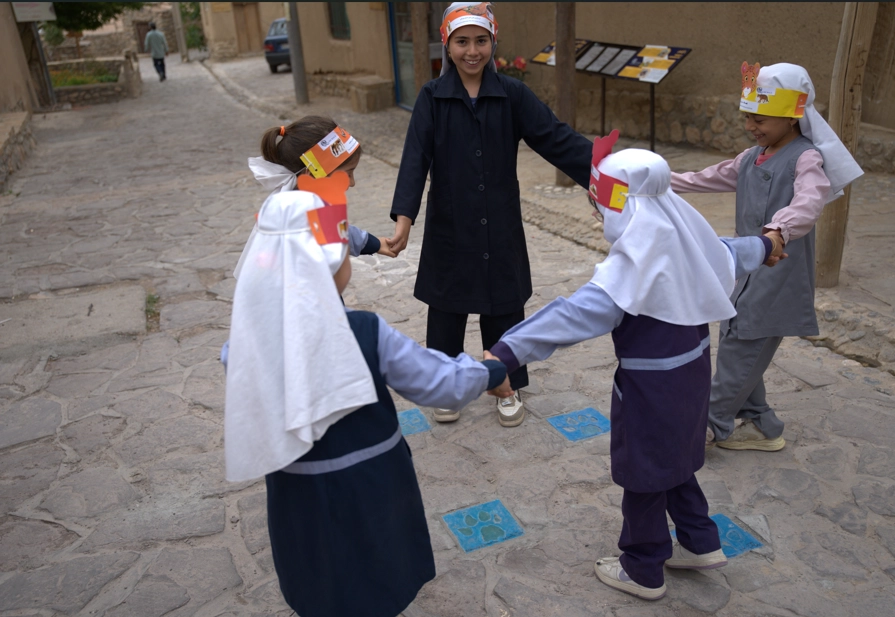
Thanks to its unique position on the boundary between mountain and desert, Qaleh Bala is one of the most appealing destinations for nature walkers. Its trails weave together a rare blend of mountain vistas, desert winds, the deep silence of the plain, and the village’s historic architecture.

06

Marks & Mysteries

Historic Fabric, Springs, and the Molahadin Cave

The village’s historic fabric includes valuable old houses, pir-neshins, rahvands, and sabats (covered passageways) and, together with the stone inscription beside the Fenjan House, tells the ancient layers of Qaleh Bala’s identity. The springs of Anaboo, Delbar, and Hoozhdeh are further signs of the village’s bond with water and nature.

The Molahadin Cave is one of the most mysterious attractions around Qaleh Bala. According to local accounts, it once sheltered a group of Ismailis in the distant past, and villagers call it the “Molahadin Cave.” With its distinctive, historic structure, it reveals that a community once lived within it.

Clay, Water & Memory

History & Architecture

Night view of the stepped architecture of Qaleh Bala
01 · Night view of the stepped architecture of Qaleh Bala

01 / 13